Small Yards, Side Yards, and Courtyards

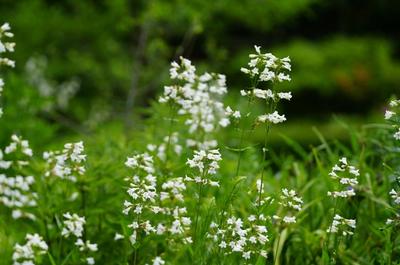
Small yards, side yards, and courtyards are some of the best places to start with native garden design. Because every square foot is visible and used, smart layout and plant choices pay off quickly in daily life. This guide shows you how to turn tight spaces into inviting “native rooms” with clear structure, layered planting, and long‑season interest so you get curb appeal, comfort, and real wildlife value even on a small footprint.
Why Small Spaces Are Perfect for Native Gardens
Small native gardens can:
- Reach a “finished” look faster than large yards.
- Concentrate beauty and wildlife activity where you see it every day.
- Turn overlooked spaces into high‑impact habitat patches.
Small yards, side yards, and courtyards are often easier to transform completely, which means you can get to a finished, high‑impact native garden faster than in a sprawling landscape. Because every square foot is visible and used, thoughtful design and good plant choices immediately show up as more beauty, more comfort, and more wildlife activity in daily life.
These compact spaces also concentrate resources like sun, water, flowers, and cover into a tight area, creating a surprisingly rich patch of habitat. With layered planting and bloom succession, even a few beds can support pollinators, birds, and beneficial insects throughout the season while still reading as tidy and intentional from close up and from the street.
In small spaces, start by mapping:
- Exact dimensions of the yard, side yard, or courtyard.
- Boundaries and fixed elements (fences, walls, doors, gates, utilities, hardscape).
- Primary routes people use now and paths you want to encourage.
In small spaces, inches matter, so begin by measuring the actual dimensions of your yard, side yard, or courtyard. Note where fences, walls, doors, gates, utilities, and existing hardscape sit so you can see the true usable area and avoid blocking access or creating awkward pinch points.
Next, map how people move through the space now and how you would like them to move in the future. Identify primary routes like from driveway to door or from back door to trash area and protect those as clear paths, then look for spots where planting can frame these routes, create small seating nooks, or soften blank walls and fences without getting in the way.
To make a small yard feel larger:
- Use a few bigger, well‑defined beds instead of many tiny ones.
- Keep paths comfortably wide and clearly marked.
- Layer plants (low in front, taller behind) and repeat a short list of key species.
Simple layout choices can make a small yard feel more spacious and inviting. Use a few larger, well‑defined beds instead of many tiny ones, and let bed lines curve gently or run in clean straight bands to create clear structure; then keep paths wide enough to walk comfortably so the space does not feel cramped.
Within beds, layered planting with lower plants at the front and taller ones stepping up toward the back or sides adds depth and gives the illusion of more space. Repeating a short list of key grasses, perennials, and shrubs in several spots ties everything together visually, calms the overall look, and makes the garden feel like one coherent room instead of a collection of small patches.
If you’re not ready or don’t have the room to dig a bed into a section of your yard, a containerized garden may be the better fit. Native container gardens need their own kind of attention over time but can be a great option to bring beauty and ecological benefits to your outdoor area, especially if space is truly limited. Check out our Patios, Decks, and Container‑Friendly Native Gardens guide if this sounds like you.
For side yards, aim to:
- Keep a clear, practical walking route.
- Plant lower species near the path and taller plants toward fences/walls.
- Create a continuous “corridor” that links front and back habitat.
Side yards often default to narrow strips of turf or mulch, but they can become attractive, functional native corridors. Keep a clear walking path along the most practical route - mulch, steppingstones, or a simple gravel walk - then build planting along one or both sides with lower plants near the path and taller plants or shrubs toward fences and walls.
These side‑yard plantings soften hard edges, screen views, and create a continuous band of habitat that connects front and back yard spaces. With thoughtful species choices, you can have flowers, movement, and seasonal interest right along your daily route while still keeping access easy for trash, tools, or kids moving through.
In courtyards and enclosed patios:
- Place seating first, where you actually want to spend time.
- Arrange beds or containers to frame that area and soften hard surfaces.
- Use layers (low, medium, tall) to create enclosure without crowding.
Courtyards and enclosed patios are perfect for creating an outdoor room feel with native plants. Start by deciding where seating or a small table will go, then place beds or large containers around that “living area” to frame views, soften hard surfaces, and create a sense of enclosure without crowding the usable floor space.
In these spaces, layered planting can be done with in‑ground beds, large pots, or a mix of both, using groundcovers and low perennials at the front, taller perennials and grasses behind, and a shrub or small tree as a focal point if height allows. Because courtyards often feel intimate, fragrant species, plants with interesting foliage, and those that attract visible pollinators can make the space feel alive and immersive from just a few steps away.
In small spaces, prioritize plants that:
- Are native to your region.
- Stay within an appropriate mature size.
- Have multiple benefits (bloom, foliage/form, wildlife value).
- Offer long seasons of interest (e.g., lasting seed heads, fall color).
In small yards, every plant has to earn its place by doing more than one job. Look for regionally native species that offer strong bloom, attractive foliage or form, and good wildlife value such as providing nectar and pollen, hosting caterpillars, or producing seeds or berries.
Favor plants that stay within appropriate size ranges for your space and that have long seasons of interest, like grasses with lasting seed heads or perennials with standout fall color. Group these in small drifts or clumps to make a visual impact and to create efficient foraging patches for pollinators rather than scattering single plants everywhere.
To phase a small‑space project:
- Start with the areas you see and use most (entries, patios, main views).
- First define edges, paths, and structural plants; then add perennials and groundcovers.
- Expand or refine in later seasons as time and budget allow.
Even in a small yard, it helps to phase your project so it fits real‑world time and budget. Begin with the areas you see and use most like entry paths, patios, or the view from main windows so you feel the benefits quickly and stay motivated to continue.
Within each phase, tackle the basics first: define bed edges, establish paths, and install key structural plants like shrubs and grasses, then fill in with additional perennials and groundcovers as you are ready. This approach keeps the space looking intentional at every step and lets you refine as you go, rather than waiting for a “perfect” all‑at‑once transformation. If you live in an HOA or are especially concerned about how your garden will look, check out our Front Yards, HOAs, and Curb Appeal and Balancing Curb Appeal, HOAs, and Ecological Native Gardens guides.
How My Home Park Helps with Small‑Space Native Gardens
For small spaces, My Home Park can help you in two main ways:
For small yards, side yards, and courtyards, My Home Park can simplify both design and plant selection. Ready‑made native garden kits and container gardens give you pre‑planned combinations sized for common small‑space situations - like front entries, narrow borders, or patio edges - so you get coherent layouts, layering, and bloom succession without starting from scratch.
If planning still feels like a lot, our custom native garden design service lets you share photos, site details, and goals so one of our designers can create a tailored plan and regionally appropriate plant list that fits your exact footprint and way of using the space. You can then implement that plan with kits, individual plants, or a mix of both, ending up with a compact garden that feels bigger, looks intentional, and offers meaningful habitat in the space you have.
Share this article