Floppy, Leggy, or Overgrown Natives: Design and Care Fixes

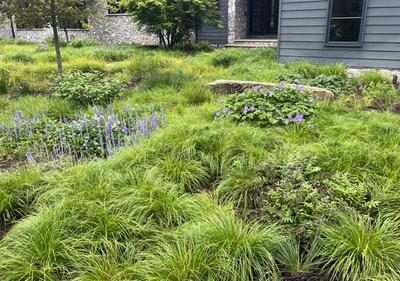
Tall natives that lean, sprawl, or blow open can make an otherwise good planting feel chaotic or “too wild.” This guide explains why flopping happens, then walks through design tweaks, spacing, pruning, and plant choices that keep your native garden upright, structured, and neighbor‑friendly.
Why native plants flop or get leggy
Flopping is rarely about “bad plants.” It’s usually a mix of:
- Extra‑rich or over‑watered soil that pushes soft, weak growth
- Too much shade for sun‑loving species, causing plants to stretch
- Not enough plant‑to‑plant competition or support
- Tall species placed in the wrong spot (front of bed, windy edges)
- Lack of early‑season pruning to keep stems shorter and bushier
Once you know which of these is at play, the fixes get much simpler.
Fix 1 – Match height and habit to the right place
Some native species are naturally tall or sprawling. If you put them at the front of a bed or right along a sidewalk, they’re almost guaranteed to read as “overgrown.”
Practical steps:
- Move the tallest species toward the back or center of beds, and reserve the front edge for low and medium‑height plants.
- Keep very tall, airy plants away from windy, exposed corners and traffic routes where flopping is most visible.
- When choosing species, check mature height and habit (upright, arching, spreading) and pick forms that fit your space and curb‑appeal goals.
If a plant is fundamentally too big or loose for where it is, the best fix is often to move it or replace it with a more compact species or cultivar. My Home Park’s predesigned garden kits already take this kind of layout into consideration but you can also read more on good garden layout in our Garden Design & Planning section.
Fix 2 – Reduce “pampering” and overly rich conditions
Natives adapted to lean, well‑drained soils often get tall and floppy when they’re planted in heavily amended beds and watered like annuals or ornamentals.
Adjustments:
- Don’t fertilize native beds unless a soil test shows a very specific, and serious deficiency (and sometimes, even then - check out Low-Input Soil Care).
- Avoid thick layers of rich compost everywhere; use lighter, targeted additions where soil is truly poor, and prioritize organic mulch and leaf litter instead.
- Water deeply but less often, especially after the first year, so plants grow stronger root systems and tougher stems rather than constant soft growth.
Often, simply backing off on fertilizer and frequent water will produce shorter, sturdier plants in the next season.
Fix 3 – Use density and plant communities for support
In nature, many tall natives grow within dense plant communities where neighbors help hold each other up. Isolated in a bed with lots of open space, those same plants can sprawl.
Design tweaks:
- Plant in groups and drifts, not single “soldiers.” Clumps of the same species help each other stand.
- Interweave taller perennials with sturdy grasses or structural plants that provide a living scaffold.
- Aim for full coverage at maturity, with minimal bare ground, so stems grow in relation to their neighbors instead of sprawling into open space.
This “community” approach improves both structure and weed resistance at the same time. Check out Fixing Common Design Mistakes to learn more.
Fix 4 – Use selective pruning and pinching
A little early‑season pruning can keep some species shorter and fuller without sacrificing bloom.
Basic approach:
- In late spring or early summer, when plants are 6–12 inches tall and before budding out, lightly pinch or cut back the top few inches of vigorous growers.
- For very tall, late‑blooming plants, you can stagger cuts (trimming only some stems) so you still get flowers over a long period.
- Avoid hard cuts too late in the season (typically late June or later), which can delay or reduce flowering.
Not every species responds well to this, but many tall perennials can be kept more compact and less prone to flopping with one well‑timed cutback.
Fix 5 – Improve light and spacing
Plants that need full sun but are in partial shade often stretch toward light and become top‑heavy. Overcrowded plantings can also lean as they compete for space.
What to do:
- Check how many hours of direct sun your “floppy zone” actually gets; if it’s much less than promised “full sun,” consider moving sun‑hungry species elsewhere and replacing them with partial‑shade natives (learn how to assess your yard’s light here).
- Thin plants that are clearly jammed together and leaning sideways. Move or divide extras so remaining plants have room to grow upright.
- Avoid planting very tall species directly under eaves, trees, or next to large shrubs that will shade them as the season progresses.
Right plant, right light, right spacing goes a long way toward reducing flop. Check out more Common Beginner Mistakes to ensure your plants and garden start off on the best foot possible.
Fix 6 – Edit aggressive or overly dominant plants
Some natives are simply more assertive and will outgrow their space or crowd neighbors if you let them.
Editing strategies:
- If a species consistently overwhelms its neighbors, move it to a larger or wilder area, or reduce its numbers in the current bed.
- Divide clumping plants every few years to keep them vigorous but contained.
- Pay attention to self‑seeders; allow some volunteers, but don’t hesitate to thin out extras so the bed keeps its structure.
Editing is an ongoing part of native‑garden care; it keeps plantings looking intentional rather than “let go.” Check out our guide on Editing and Refreshing Mature Native Gardens to learn more.
Fix 7 – Accept natural movement, but frame it with strong edges
Some motion and wildness is part of the charm of native plantings. The key for curb appeal is to frame that movement.
Design ideas:
- Use crisp edges like mowed strips, stone, metal, or brick edging so even if plants sway, the overall shape of the bed reads as deliberate.
- Include a few evergreen or structural shrubs and grasses that hold their form year‑round, anchoring more dynamic perennials.
- Keep plants from spilling far over sidewalks or paths; trim encroaching stems lightly throughout the season.
When the frame is tidy, a bit of natural sway inside the bed looks intentional instead of unkempt. Check out our guide on planting natives for Front Yards, HOAs, and Curb Appeal to explore further.
How My Home Park helps prevent flopping and overgrowth
Floppy or overgrown natives usually come from a mix of plant choice, placement, and care, not from simply using native plants at all.
My Home Park’s regionally focused designs:
- Incorporate species and combinations with compatible heights and habits.
- Use densities and plant communities that help plants support one another.
- Provide clear guidance on spacing, light needs, and establishment care so plants are less likely to be over‑pampered into weakness.
With those pieces in place, you can expect your native garden to have plenty of life and movement without looking like it’s collapsing onto your sidewalk. Still unsure of how to handle your yard but want to get started today? Our custom design service can set you and your yard up for success.
Share this article