Pests in Native Gardens: When to Worry and When to Let Nature Work

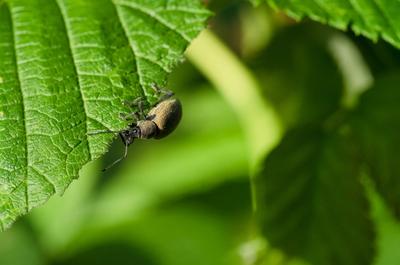
More insects and more chewed leaves are normal in a healthy native garden, but not every insect problem needs a spray bottle. This guide helps you tell the difference between expected wildlife use and true pest issues, and shows how to lean on natural controls first while saving targeted interventions for the rare situations that genuinely threaten plant health.
Step 1 – Redefine “pest” in a native garden
In a native garden:
- Many insects you might call “pests” are actually key parts of the food web (caterpillars, leaf beetles, leaf miners, aphids, etc.).
- Native plants have evolved ways to tolerate, outgrow, or compensate for moderate feeding.
- Diverse plantings attract beneficial predators and parasitoids (lady beetles, lacewings, wasps, spiders, birds) that keep most outbreaks in check over time.
So instead of “no bugs allowed,” the goal is “enough damage to feed wildlife, not so much that plants truly suffer.”
Step 2 – When insect damage is normal (let nature work)
You can usually relax and do nothing when:
- Damage is mostly cosmetic. A few holes, chewed edges, or skeletonized patches on some leaves, but the plant is still growing, flowering, and has plenty of healthy foliage.
- Damage is scattered. A bit here and there across many plants, not concentrated enough to strip any one plant bare.
- New growth looks healthy. Older leaves show some chewing, but new leaves emerge clean and vigorous.
- You see predators and beneficials present. Lady beetles (ladybugs), lacewing larvae, syrphid (hoverfly) larvae, spiders, solitary wasps, and birds actively foraging in the garden are signs that your plants’ natural guardians are working.
In those situations, intervening with sprays can do more harm than good by knocking out the predators that would have solved the problem for you.
Step 3 – When to pay attention (but still hold off on chemicals)
Take a closer look (but don’t necessarily act yet) when:
- Damage is heavy on one plant or species. A particular plant is getting much more chewed than others, though it still has some healthy foliage.
- You see clusters of sap‑suckers (aphids, leafhoppers, etc.). Check whether natural guardians are also present; if you see lady beetles, lacewing larvae, or wasps hovering about, control may already be on the way.
- Plants are stressed from other causes. Drought, waterlogging, or poor siting can make plants more vulnerable to pest buildup.
In these cases, the first “treatment” is almost always to fix underlying stress (water, site, overcrowding) and give natural enemies time to respond, rather than reaching for broad‑spectrum pesticides.
Step 4 – When it’s time to worry and consider action
In a native garden, it is worth intervening when:
- A plant is being defoliated. Most or all leaves are being stripped, especially on young or newly planted specimens. Repeated complete defoliation can kill or severely weaken plants.
- Damage threatens the plant’s survival. You see rapid decline across the whole plant - wilting, dieback, or significant stunting - not just cosmetic leaf damage.
- A single pest species is clearly exploding. You see large, dense populations (e.g., entire stems covered in aphids) with few or no predators in sight.
- Invasive pests or quarantine issues. If a regulated or invasive insect is involved (e.g., spotted lanternfly in affected regions), local guidance may recommend active control.
This is when integrated pest management (IPM) comes in: monitor, confirm the problem, fix cultural conditions, then choose the least‑toxic, most targeted control if you truly need one.
Step 5 – Use cultural and mechanical controls first
Before using any pesticides, try non‑chemical tactics that fit within an IPM or “integrated pest and pollinator management” framework.
Examples:
- Hand removal. Pick off caterpillars or beetles on heavily affected plants (leave some on other plants), or prune out badly infested stems and dispose of them.
- Water sprays. A strong jet of water can knock aphids and mites off foliage without harming most beneficial insects if done carefully.
- Pruning and sanitation. Remove severely infested or damaged plant parts and clean up around the base of plants where pests may pupate or overwinter.
- Improve plant health. Adjust watering, thin overly crowded plantings, and move plants that are clearly in the wrong spot; healthy plants tolerate and recover from pests better.
These steps often reduce pest pressure enough that natural enemies can catch up.
Step 6 – If you must use a product, keep it targeted and pollinator‑safe
In a wildlife‑oriented native garden, the bar for chemical use should be high. When you judge that action is necessary:
- Choose selective, least‑toxic options. Use products with narrow targets and lower persistence where possible, and avoid broad‑spectrum insecticides that kill a wide range of insects.
- Spot‑treat, don’t blanket‑spray. Treat only the affected plants or areas, and only the parts of the plant that truly need it.
- Avoid flowers and peak pollinator times. Do not spray open blooms, and apply in the evening or early morning when bees and other pollinators are less active.
- Follow labels exactly. Use the lowest effective rate and respect all pollinator and wildlife precautions on the label.
This is in line with IPM/IPPM guidance: correct conditions and rely on natural enemies first, use chemicals only as a last resort, and choose options that minimize harm to pollinators and beneficial insects.
Step 7 – Designing gardens that prevent pest outbreaks
The best “pest control” is a resilient garden design:
- Diverse plantings. Mixed native species make it harder for any one pest to find and dominate the entire garden.
- Continuous bloom and structure. Flowers and habitat from spring through fall support predators and parasitoids all season.
- Minimal chemical use. Avoiding routine pesticide sprays is essential to conserve beneficial insects.
- Right plant, right place. Plants matched to site conditions are under less stress and less likely to be overwhelmed by pests.
This is exactly what “integrated pest and pollinator management” encourages: manage pests in ways that also protect pollinators and beneficial insects.
How My Home Park helps pests stay in balance
Native gardens work best when design and plant choice set you up for natural balance from the start.
My Home Park’s native gardens:
- Use diverse, regionally appropriate plant combinations that support pollinators and natural enemies all season.
- Emphasize structure and density that keep plants healthier and more resilient to occasional pest pressure.
- Promote low‑chemical, habitat‑friendly care guidelines aligned with IPM and pollinator‑conservation best practices.
With those foundations in place, most of the “pest control” in your native garden happens automatically and your main job is to simply watch, enjoy the life you’re supporting, and step in only when a genuine imbalance threatens plant health.
Need to enrich the diversity of your extant native plantings? We have a wide range of fantastic native species for most states to browse and buy today.
Share this article