Native Plants for Birds, Pollinators, and Backyard Biodiversity

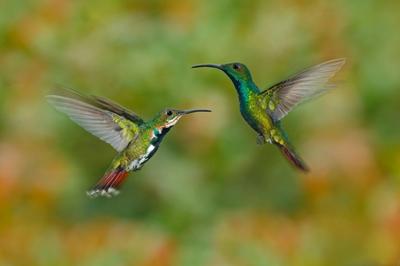
If you want more birds, butterflies, bees, and fireflies in your yard, the most powerful lever you control is which plants you grow. Native plants feed many more insects and wildlife species than typical turfgrass and imported ornamentals, which makes them the backbone of backyard biodiversity as well as a beautiful, resilient landscape.
Why native plants are so important for wildlife
Native plants are species that evolved in your region alongside local insects, birds, and other animals. Over thousands of years, many wildlife species developed close relationships with specific plants for food, shelter, and life‑cycle needs.
Key reasons they matter:
- Many caterpillars and specialist bees can only use certain native plants as hosts for their larvae.
- Songbirds rely heavily on those caterpillars and insects to feed their young during nesting season.
- Native shrubs and trees produce berries, seeds, and nuts that match the timing and nutritional needs of local wildlife.
- Native plants of all kinds - from groundcovers to tall grasses and shrubs - create nesting, resting, and overwintering sites that a flat lawn simply cannot provide.
When you plant natives, you are rebuilding these relationships in your yard. Even a small patch of the right plants can support far more species than a much larger area of non‑native ornamentals or turfgrass.
How native plants support birds
For backyard birds, native plants provide three major benefits: food, cover, and nesting opportunities.
Food for birds
- Insects: Native trees, shrubs, and perennials host diverse insects that birds actively hunt, especially during breeding season.
- Seeds: Many native flowers and grasses produce seeds that finches and other seed‑eaters rely on in fall and winter.
- Berries and nuts: Native shrubs and trees offer seasonal berries and nuts that provide energy‑dense food during migration and cold weather.
Examples of roles:
- Flowering perennials and grasses left to go to seed feed finches and sparrows.
- Berry‑bearing shrubs support thrushes, catbirds, waxwings, and other fruit‑eaters.
- Insect‑rich native trees (like many oaks and willows) act as “buffets” for warblers and other insect‑eating birds.
Cover and nesting
Birds also need places to hide from predators, shelter from weather, and build nests. Native shrubs, dense perennials, clumping grasses, and small trees create layered cover at multiple heights, making your yard more usable to more species.
How native plants support pollinators
Pollinators include far more than honey bees and monarch butterflies. Native bees, butterflies, moths, beetles, flies, and even many wasps play essential roles in plant reproduction and healthy ecosystems. Native plants support them in two main ways: as a source of nectar & pollen and as host plants.
Nectar and pollen sources
- Different pollinators are active at different times, so having a diverse array of native flowers that collectively bloom from early spring through late fall is crucial.
- Flower shape, size, and color determine which pollinators can use them; a mix of tubes, clusters, open disks, and bells will support more species.
- Native plants generally provide higher‑quality nectar and pollen for local pollinators than many double‑flowered or highly bred ornamental varieties.
Host plants for larvae
- Many butterflies and moths lay eggs only on specific host plants; without those plants, there is nowhere for the next generation to grow.
- Some native bees nest at the base of particular plants or use plant stems and surrounding soil as nesting sites.
By including both nectar plants and host plants, you support pollinators through their entire life cycle, not just when they are visiting flowers.
Plant types that boost backyard biodiversity
You don’t need to memorize long species lists to get started. Think in terms of plant roles and layers, then choose native options for each.
Key plant roles:
- Canopy and sub‑canopy (trees and large shrubs): Provide insects, shade, nesting sites, and seasonal fruits or nuts.
- Shrubs: Offer berries, cover, and nesting spots, especially for songbirds and small mammals.
- Perennial wildflowers: Supply nectar, pollen, and seeds, plus host sites for caterpillars and other insects.
- Native grasses and sedges: Create structure, shelter, and seed; provide nesting and overwintering habitat for many insects and some birds.
- Groundcovers: Reduce bare soil, suppress weeds, and provide foraging and cover for invertebrates and small wildlife.
Aim for at least three layers (ground, mid, shrub/small tree) wherever space allows. The more layers and plant roles you include, the more niches you create for different species.
Choosing native plants for birds and pollinators in your region
Because native species vary by region, the specific plants you choose should match your local ecoregion, climate, and site conditions. A good selection process looks like this:
- Start with your conditions. Note sun vs. shade, soil type (sandy, clay, loam), and moisture levels (dry, average, wet spots). Check our guides in Native Plants 101 if you’re unsure of how to take this on.
- Identify native plants for your area. Use trusted regional lists or tools that focus on true natives, not just “adapted” or “pollinator‑friendly” exotics.
- Cover the main functions. Make sure your planned plant list includes:
- Spring, summer, and fall bloomers
- At least one or two known host plants for butterflies or moths
- Seed‑bearing perennials and grasses
- A few berry‑producing shrubs or trees if space allows
- Think in groups, not singles. Plant native species in small drifts or clumps instead of isolated single specimens so they’re easier for wildlife to find and use.
This approach helps you create a plant palette that is both ecologically effective and visually cohesive. My Home Park can greatly expedite this process with pre-designed native plant kits that are suited to region and can be “plugged in” to almost any yard with the right conditions.
Designing a simple “biodiversity bed” for a typical yard
To make this concrete, imagine you are converting a rectangular bed along a fence or property line into a native biodiversity planting. A basic layout might include:
- A row of 2–3 native shrubs against the fence to provide berries and cover.
- Clumps of native perennial flowers in front of the shrubs, chosen for staggered bloom times from spring to fall.
- Pockets of native bunchgrasses or sedges woven between the flowers for structure and shelter.
- A native groundcover at the edge or between larger plants to reduce bare soil and suppress weeds.
- A decision to leave flower stalks standing through winter for seed and insect habitat, cutting them back only in late winter or early spring.
This kind of bed can fit into most suburban yards, reads as intentional and tidy with a clear edge, and dramatically increases the food and habitat available to birds and pollinators.
Maintaining native plantings for long‑term habitat value
Native plantings often become easier to manage over time, but the first few years are important for establishing plants and keeping weeds under control.
Key maintenance practices:
- Water deeply during establishment. Once roots are established, many natives can handle longer dry periods with little or no supplemental watering.
- Weed regularly in the first 1–2 seasons. Focus on invasive or aggressive weeds; dense native plantings will do more of the weed suppression later.
- Leave some leaf litter and stems. In beds and under shrubs, allow leaves and some standing stems to remain through winter for insect and soil life.
- Avoid broad‑spectrum pesticides. If pest issues arise, use targeted, least‑toxic methods and remember that some leaf damage is part of a functioning food web.
By managing your native plants this way, you maintain both their ecological value and their appearance. Explore our Plant Care and Seasonal Maintenance hub for more tips on how to care for and support your native plants.
Simplifying native plant selection
Choosing the right native plants for birds, pollinators, and biodiversity can feel overwhelming, especially when you are juggling regional suitability, bloom times, and visual design.
My Home Park is designed to simplify that process. Regionally focused native garden kits curate plant combinations that provide nectar, pollen, seeds, berries, and layered structure for wildlife, while also delivering strong visual appeal. Long lists of native plant species are also available to browse if you’re keen to expand an extant bed or just get started with a few species to improve the impact your yard will have. If you’re excited to get started but unsure of what approach to take, our custom design services are here to do a lot of the picking and choosing for you - ensuring a good fit and appearance for a successful and beautiful piece of habitat.
Share this article