Pesticide‑Free and Wildlife‑Safe Yard Practices

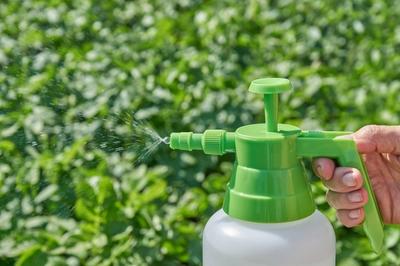
Even the most thoughtfully designed native garden cannot function as real habitat if chemicals and harsh routines are constantly working against it. Wildlife‑safe yard practices focus on protecting soils, insects, structure, and water so bees, butterflies, birds, and other creatures can actually use the habitat you are creating. This guide walks through how to rethink “pests,” reduce or replace pesticides, time cleanup, and keep your yard looking intentional while staying safer for wildlife.
Why wildlife‑safe practices matter
Wildlife‑safe practices matter because:
- Pesticides and harsh yard routines can kill insects, contaminate food, and destroy nesting habitat.
- Non‑target impacts reduce the insects birds and other animals depend on.
- Protecting soils, insects, structure, and clean water lets your habitat plantings actually work.
Even the best native planting can struggle to support wildlife if pesticides and harsh yard practices remove insects, contaminate food, or destroy nesting habitat. Many insecticides, fungicides, and herbicides harm non‑target species or reduce the diversity and abundance of insects that birds and other animals depend on.
Wildlife‑safe yards aim to keep ecological “infrastructure” intact - healthy soils, insect populations, structural cover, and clean water - so your garden’s habitat value can fully express itself. This approach also tends to make landscapes more resilient, requiring fewer inputs over time.
Check out our guides on Pollinator Garden Design and Low-Input Soil Care to read more.
Rethink pest and weed “problems”
In a living garden:
- Some leaf damage, insects, and spontaneous plants are normal and desirable.
- Many “chewers” are key food sources for birds, bats, and beneficial insects.
- The goal shifts from eradication to balance, intervening only for true threats to plant survival, safety, or health.
In a living garden, some leaf damage, insect presence, and spontaneous plants (“weeds”) are normal and even desirable. Many caterpillars, beetles, and other invertebrates that chew leaves or occupy stems are vital food sources for birds, bats, and beneficial insects.
Instead of aiming for perfect, unblemished plants, wildlife‑safe yards accept a bit of cosmetic damage as the cost of a functioning food web. The focus shifts from eradication to balance: intervening only when a true problem threatens plant survival, safety, or human health.
Keep expectations in check and spirits high with our guides on Butterflies, Moths, and Host‑Plant Gardens, Weeds vs. Wildflowers: Keeping Native Gardens from Getting Overrun, and Soft Landings and Caterpillar Habitat.
Minimize or eliminate synthetic pesticides
To reduce pesticide risk:
- Avoid broad‑spectrum and systemic insecticides whenever possible.
- Use cultural and mechanical controls first: good siting, healthy soils, hand‑weeding, barriers, spot removal.
- If chemicals are unavoidable, choose targeted, least‑toxic options and apply them sparingly and at careful times.
Broad‑spectrum insecticides can kill pollinators, predators, and parasitoids along with target pests, collapsing natural checks and balances. Systemic products that move into plant tissues can contaminate nectar and pollen, exposing bees and other pollinators for long periods after application.
Wildlife‑safe practices prioritize cultural and mechanical controls - good plant placement, healthy soils, hand‑weeding, physical barriers, and spot removal of pests - before considering any chemical option. Where intervention is necessary, targeted, least‑toxic strategies applied in limited areas and at careful times reduce risk to non‑targets.
Just getting started? Explore some Common Beginner Mistakes with Native Gardens (and How to Avoid Them) and Pests in Native Gardens: When to Worry and When to Let Nature Work to get a sense of what comes next.
Time cleanup and maintenance with wildlife in mind
For wildlife‑friendly cleanup:
- Leave more stems, seed heads, and leaf litter standing through winter.
- Delay major cleanup until spring temperatures are consistently warmer.
- Prioritize tidiness on paths and key sightlines, and edit habitat zones more gently.
Many insects and other small creatures overwinter in stems, leaf litter, and the top layer of soil. Cutting everything down and removing all debris in fall can unintentionally destroy these hidden life stages, reducing insect and bird populations the following year.
Wildlife‑safe yards leave more stems, seed heads, and leaf litter standing through winter and delay major cleanup until temperatures have warmed in spring. Maintenance focuses on paths, sightlines, and key visual areas first, gradually editing and tidying habitat zones in a way that preserves as much structure and shelter as possible.
Explore our section on Plant Care, Maintenance & Seasonal Guides for Native Gardens for many more tips.
Protect soil, water, and structural habitat
Protect key “infrastructure” by:
- Avoiding soil compaction, heavy tillage, and excessive synthetic fertilizers.
- Managing water with rain gardens, swales, and vegetated buffers to reduce polluted runoff.
- Leaving some logs, rocks, woody debris, and dense vegetation as microhabitats.
Healthy soil teeming with microbes and invertebrates underpins everything else in a wildlife‑friendly yard. Avoiding compaction, limiting heavy tillage, and minimizing synthetic fertilizers help maintain soil life and structure.
Managing water thoughtfully - through rain gardens, swales, and vegetated buffers - reduces polluted runoff and provides moist edges that support amphibians, fireflies, and other sensitive species. Leaving some woody debris, logs, rocks, and dense vegetation in select areas adds microhabitats for invertebrates, reptiles, and small mammals.
Check out our guides on Soil Health in Native Gardens: Building Living, Low-Input Yards and establishing Rain Gardens, Wet Spots, and Downspouts for more.
Balance habitat with safety and neighbor expectations
To balance habitat and expectations:
- Use clear edges, defined paths, and repeated plant groupings to frame wilder areas.
- Concentrate denser, less disturbed habitat in back corners, side yards, and under trees.
- Keep front beds and main routes tidier, and use signage or brief conversations to explain your approach.
Wildlife‑safe does not mean unkempt. Clear edges, defined paths, and repeated plant groupings help habitat zones look intentional, while more controlled areas near doors, play spaces, and property lines reassure neighbors and meet HOA expectations.
You can concentrate denser, less disturbed habitat in back corners, side yards, or under trees and keep front beds and main routes tidier. Simple communication like signage or brief conversations helps neighbors understand that your yard is managed differently because it is designed to support pollinators, birds, and other wildlife.
Check out Balancing Curb Appeal, HOAs, and Ecological Native Gardens for additional guidance.
How My Home Park helps with wildlife‑safe yard practices
My Home Park can help you:
- Choose regionally native plants and kits that reduce the need for pesticides and heavy inputs.
- Get designs that explicitly incorporate wildlife‑safe maintenance (where to leave stems, how to structure mowing/cleanup).
My Home Park emphasizes regionally native plants and garden kit design approaches that reduce reliance on pesticides and heavy inputs from the start. Matching plants to your site’s sun, soil, and moisture conditions lowers stress on plants and decreases the need for chemical interventions.
Design guidance and custom plans can explicitly incorporate wildlife‑safe management into bed layout, plant choices, and maintenance suggestions. That might include recommending where to leave stems and leaf litter, how to structure mowing and cleanup, and how to handle weeds and pests in ways that protect pollinators and other beneficial species.
Common questions about pesticide‑free and wildlife‑safe yards
This FAQ addresses transitioning off pesticides, “organic” product risks, pest worries, and neighbors/HOAs spraying nearby.
Do I have to stop using all pesticides immediately?
Not necessarily. Many gardeners transition by phasing out routine or preventive treatments first, then reserving any remaining pesticide use for true emergencies. Over time, as native plantings and any natural enemies of pests build up, the need for chemical interventions usually drops.
Are “organic” or natural products always safe for wildlife?
No. Some organic or natural pesticides can still harm non‑target insects, aquatic life, or soil organisms. Always check what a product kills, how long it persists, and whether there are non‑chemical alternatives before using it, even if it is labeled organic.
Won’t going pesticide‑free make my yard overrun with pests?
In diverse native plantings, beneficial insects, birds, and other predators often keep pest populations in check once they have time to establish. There may be an adjustment period, but focusing on plant health, diversity, and habitat usually leads to more stable, self‑regulated systems.
What if my neighbors or HOA spray near my property?
You cannot control everything off‑site, but you can create buffers by planting dense native vegetation along boundaries, noticing and flagging any drift (off-target application) into your beds when you see treatments happening, and sharing information about wildlife‑safe practices when opportunities arise. Over time, visible results in your yard can help spark interest in less chemical‑dependent management nearby.
Share this article