Leaving the Leaves: Winter Habitat in Native Gardens

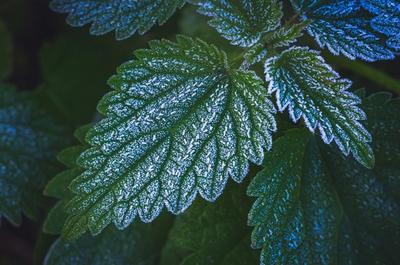
Leaving leaves, stems, and seedheads in place over winter is one of the simplest, highest‑impact ways to turn a native garden into real year‑round habitat. This guide explains why those “messy” layers matter so much for insects, birds, and soil and how to keep plenty of them while your yard still looks intentional to neighbors and passersby.
Why leaves and stems matter in winter
Leaves and stems matter because:
- Many butterflies, moths, beetles, and other insects overwinter in leaf litter, soil, or dead plant material like hollow stems.
- Ground‑nesting and stem‑nesting bees, including queen bumble bees, rely on this protected layer to survive winter.
- Blowing, shredding, bagging leaves and cutting stems to the ground can unintentionally destroy these hidden life stages.
Many butterflies, moths, beetles, and other insects spend winter tucked into leaf litter, soil, or dead plant material like hollow stems. Ground‑nesting and stem‑nesting native bees, as well as queen bumble bees, rely on this protected layer to survive cold, wet weather and emerge in spring ready to pollinate.
When leaves are blown, shredded, or bagged and stems are cut to the ground, those hidden life stages are often unwittingly destroyed or hauled away. That means your gardening practices can accidentally wind up working against much of the pollinator support you wanted to provide all growing season.
Benefits for insects, birds, and soil
Leaving leaves and stems:
- Provides shelter and food for overwintering insects, eggs, and cocoons.
- Turns your garden floor into a winter buffet for ground‑foraging birds.
- Builds soil organic matter, improves structure, and helps retain moisture as leaves break down.
- Reduces erosion and the need for imported mulch over time.
Leaf litter and dead stems provide both shelter and food resources: overwintering insects, eggs, and cocoons in leaves later become critical food for ground‑foraging birds in lean months. Birds scratch through leaves to find larvae and invertebrates, turning your garden floor into a winter buffet that helps sustain them when other resources are scarce.
As leaves break down, they build soil organic matter, improve structure, and help retain moisture, acting as a natural mulch. This slow decomposition supports soil microbes and invertebrates, reduces erosion, and can lessen the need for imported mulch over time.
How much to leave (and where)
In practice:
- Leave a few inches of leaf litter in beds and under shrubs as insulation, shelter, and light weed suppression.
- Move very thick, matted piles off lawns and paths onto beds or into a dedicated brush/leaf area instead of removing them entirely.
- Leave more stems and seedheads standing in planting zones away from entries, and do extra editing only near doors, sidewalks, and driveways.
You do not need to leave every leaf exactly where it falls. In beds and under shrubs, a few inches of leaf litter is usually beneficial; it insulates soil, shelters insects, and suppresses some weeds. In contrast, very thick, matted piles on paths or lawns can absolutely be moved onto beds or into a dedicated brush/leaf area rather than left in place or entirely removed from the site.
Similarly, focus on leaving stems and seedheads standing in planting zones, especially a bit farther from doors, sidewalks, and driveways. Near entries and main views, you can do more editing - cutting some stems or lightly thinning leaves - while keeping “wilder” habitat zones intact elsewhere.
Standing stems and “soft landings”
Standing stems and soft landings:
- Dead flower stalks and hollow/pithy stems provide winter shelter and future nesting sites for solitary bees and other insects.
- Leaving stems up through winter and into the next season lets insects use them as they weather.
- Under trees and shrubs, leaf layers create “soft landings” where caterpillars and other invertebrates can drop, hide, and pupate instead of hitting bare ground or hard surfaces.
Dead flower stalks and hollow or pithy stems act as winter shelters and future nesting sites for solitary bees and other insects. Leaving stems standing through winter and even into the following growing season lets insects use them as they weather and gradually become easier to excavate.
Under trees and shrubs, a layer of leaves can also help create “soft landings” for caterpillars and other invertebrates that drop from the canopy and need cover to pupate in the soil. Keeping these zones un‑raked or only lightly managed preserves an important link between your trees and the life that depends on them.
Keeping things looking intentional
To keep “leave the leaves” looking intentional:
- Maintain clear paths, defined bed edges, and some extra tidiness near the front door.
- Use mown or shoveled edges, structural plants, and visible pathways as cues of care.
- Rely on designed plant groupings (like pre‑designed kits) and small explanatory signs so neighbors see habitat, not neglect.
A wildlife‑friendly approach does not have to read as neglect. Clear paths, defined bed edges, and some editing near the front door signal that the garden is managed by choice, not abandoned. Simple cues like mowed or shoveled edges, a few well‑placed structural plants, and visible pathways help neighbors understand that any relatively “messy” areas are deliberate habitat. Using one of My Home Park’s pre-designed kits can also help ensure your native plants are laid out in a way that is sure to appeal.
Some gardeners also use small signs to explain “leave the leaves” practices, which can reduce social pressure to over‑tidy and invite questions rather than complaints. Over time, seasonal changes in seedheads, grasses, and snow‑caught stems can become part of the garden’s aesthetic as well as its ecological function. Check out our guides Balancing Curb Appeal, HOAs, and Ecological Native Gardens and Creating Wildlife Corridors and Green Networks with Your Neighbors for more tips.
When to move or remove material
For moving/removing material:
- Delay major disturbance until temperatures are consistently warmer and insect activity has resumed in spring.
- When cutting stems, trim to varied heights and leave some stubble to create future nesting sites.
- If you must clear leaves or stems for safety or access, move them to a quiet corner, brush pile, or leaf area instead of bagging them off‑site.
Heavy disturbance is best delayed until temperatures are consistently warmer and insect activity has resumed in spring, giving overwintering species time to wake up and move on. When you do cut stems, trimming them to varying heights and leaving some stubble can create new nesting opportunities for the next generation of stem‑nesting bees.
If you need to remove some leaves or stems for access or safety, prioritize moving them to another quiet corner of the yard, such as a brush pile or dedicated leaf area, instead of sending them away in bags. This way, you preserve much of their habitat value while still meeting practical needs.
Share this article