Monarch Decline and Native Milkweed: How Your Yard Can Help

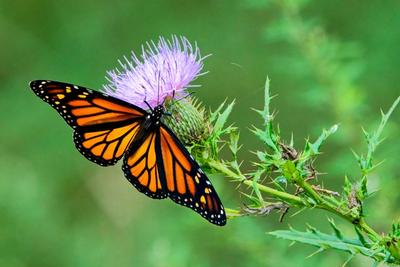
Monarch butterflies are in serious trouble, but home gardens are one of the most effective places to help them. By planting regionally native milkweeds and the right mix of nectar plants - and by avoiding well‑meant mistakes like relying on tropical milkweed or butterfly bush - you can turn your yard into genuine monarch habitat that supports caterpillars, adults, and migration.
What’s happening to monarch butterflies
Monarchs are declining mainly because of:
- Loss of breeding and nectar habitat across their range.
- Widespread herbicide use that removes milkweed from farms and roadsides.
- Climate extremes and other threats along long migration routes.
Monarch populations have dropped significantly over recent decades, with some monitoring projects reporting long‑term declines linked to multiple stressors. Key drivers include loss of breeding and nectar habitat, widespread herbicide use that removes milkweed from farmland and roadsides, climate extremes, and threats along their long migration routes.
For gardeners, the most direct lever to support monarchs (and any beneficial wildlife) is habitat: putting back high‑quality breeding and feeding sites in neighborhoods, towns, and cities where monarchs still pass through. When enough yards, parks, and community spaces participate, these small patches can add up to meaningful support across the landscape.
Why milkweed matters so much
For monarchs:
- Caterpillars can only eat milkweed leaves (host plants).
- Adults drink nectar from many flowers, not just milkweed.
- Without milkweed, the next generation cannot develop, no matter how many nectar flowers you plant.
Monarch caterpillars can only eat milkweed, making these plants a critical host resource rather than just another flower in the garden. Adult monarchs drink nectar from many different blossoms, but without milkweed leaves for their larvae, the next generation simply cannot develop.
Different regions naturally support different native milkweed species, from Common Milkweed (Asclepias syriaca) and Swamp Milkweed (Asclepias incarnata) in much of the East and Midwest to Showy (Asclepias speciosa) and Narrowleaf Milkweeds (Asclepias fascicularis) in parts of the West. Planting milkweed species that are native to your area supports monarchs while also fitting into local ecosystems more safely and effectively.
Native milkweed vs. tropical milkweed
Tropical milkweed can be risky because it:
- May stay evergreen in warm climates and encourage monarchs to stop migrating.
- Can increase levels of the OE parasite on lingering plants.For most home gardens, it’s safer to:
- Prioritize regionally native milkweeds.
- Remove or regularly cut back tropical milkweed where it already exists.
Tropical Milkweed (Asclepias curassavica) is widely sold as a “monarch plant,” but in many parts of the U.S. it can cause problems. In warm climates where it does not die back, Tropical Milkweed may encourage monarchs to linger instead of migrating and can increase the prevalence of Ophryocystis elektroscirrha or “OE,” a debilitating parasite that builds up on these older, unnaturally evergreen plants.
Because of these risks, My Home Park joins many conservation and pollinator organizations in recommending that you focus on regionally native milkweeds rather than tropical milkweed when and wherever possible. In areas where tropical milkweed is already present, local experts often advise removing it entirely or cutting it back hard and regularly so it does not persist year‑round.
The problem with butterfly bush
Butterfly Bush:
- Provides nectar for adult butterflies but no host value for monarch caterpillars.
- Often supports fewer specialist insects than native shrubs.
- Can escape and become invasive in many regions, displacing native plants monarchs and other wildlife need.
Butterfly Bush (Buddleja davidii and related species) is often marketed as a pollinator magnet, but its wildlife value is more limited than many people realize. It can provide nectar to adult butterflies, including monarchs, yet it does not serve as a host plant for monarch caterpillars and often supports fewer specialist insects overall compared to native shrubs.
In many regions, Butterfly Bush can also escape cultivation and become invasive, spreading into natural areas and crowding out the native plants monarchs and other wildlife actually depend on. Phasing out Butterfly Bush and replacing it with native flowering shrubs and perennials builds a yard that genuinely supports both nectar and host needs instead of offering a nectar‑only “illusion of help.”
Read Butterflies, Moths, and Host‑Plant Gardens for inspiration and guidance on creating a truly supportive and beautiful planting.
What to plant instead in your yard
A monarch‑friendly yard typically includes:
- Regionally native milkweed species for caterpillars.
- A mix of native nectar plants blooming from spring through fall.
- Layered planting (wildflowers, grasses, shrubs) so monarchs have both food and shelter.
A monarch‑friendly yard combines native milkweed for caterpillars with a diverse mix of nectar plants that bloom from spring through fall. Good plantings layer milkweed among other native wildflowers, grasses, and shrubs so monarchs can find both food and shelter as they move through.
Because the best species vary by region, gardeners are encouraged to use local native plant lists, extension recommendations, or regional native plant guides to choose appropriate milkweeds and companion plants. My Home Park’s regional native garden kits and individual native plant species can also help gardeners quickly incorporate native milkweeds and monarch‑supporting flowers where they are suitable.
H2 - A simple action plan you can start this season
To help monarchs from a home garden, focus on a few high‑impact actions:
- Remove or phase out Tropical Milkweed. Replace it with regionally native milkweed species recommended for your area so you support monarchs without disrupting migration or increasing disease risk.
- Replace Butterfly Bush with native shrubs and perennials. Choose native flowering plants that offer nectar and, where possible, host value for caterpillars, rather than relying on a single non‑native ornamental.
- Add at least one milkweed‑rich patch. Create a dedicated bed, border, or even container grouping that includes native milkweed plus nectar plants blooming across the growing season.
- Keep chemicals away from monarch habitat. Avoid insecticides and herbicides in and around your monarch plantings so eggs, caterpillars, and adults are not exposed to harmful residues.
- Use My Home Park as your shortcut. Explore My Home Park collections that already feature native milkweeds and monarch‑supporting plants appropriate for your region, instead of starting from scratch.
- Share your monarch habitat. Talk with neighbors, schools, or community groups and show them what you’ve planted to encourage more monarch‑friendly yards and corridors in your area.
Even modest spaces - things like front yards, side yards, shared courtyards, balconies, and park edges - can become part of a larger monarch network when they include native milkweed and diverse nectar plants. By choosing the right plants and avoiding common pitfalls, home gardeners can create beautiful spaces for themselves while giving monarch butterflies a genuine lifeline.
Want to take some next steps? Check out Getting Started with Native Gardening to break ground on your first project or shore up your knowledge. Interested in getting neighbors involved in a street-wide Monarch project? Check out Creating Wildlife Corridors and Green Networks with Your Neighbors for inroads on group efforts.
Share this article