Creating Wildlife Corridors and Green Networks with Your Neighbors

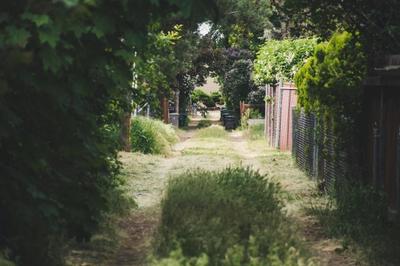
Creating wildlife corridors and green networks is about treating your yard as one link in a chain, not an isolated island. This guide explains what corridors and green networks are, why even small yards matter, and how to design your space and collaborate with neighbors so individual native gardens add up to meaningful, connected habitat.
What are wildlife corridors and green networks?
A wildlife corridor is any route that allows animals to move safely between different habitat areas. In large landscapes, corridors might be rivers, hedgerows, or forest strips. In neighborhoods, they are often strings of yards, street trees, park edges, and small native plantings that provide food, shelter, and cover along the way.
A green network is the bigger picture: the interconnected web of yards, parks, school grounds, roadside plantings, and other green spaces that collectively support wildlife and ecological processes across a town or region. Your yard becomes a “node” in this network, and the more nodes and connecting routes there are, the easier it is for wildlife to move, feed, and reproduce.
Thinking in terms of corridors and networks helps you see your native garden not just as a standalone project, but as part of a living infrastructure for birds, pollinators, and other wildlife.
Why small yards matter for connectivity
It’s easy to assume that only large properties or nature preserves can make a difference for wildlife. In reality, many species already depend heavily on residential and urban areas, especially where natural habitat is fragmented.
Small yards matter because:
- They act as stepping stones between larger habitat patches like parks, greenways, and woodlots.
- They provide critical resources like nectar, pollen, seeds, berries, and nesting sites at fine scales across the landscape.
- They can reduce the “distance” animals have to travel through hostile habitat (bare lawn, pavement, sprayed areas) to reach what they need.
Even a modest native bed, a flowering strip along a sidewalk, or a cluster of shrubs in a small yard can be an important link in a chain, especially when multiplied across an entire block or neighborhood. No plantable soil? Even a few containers with viable native flowers or grasses still offers some meaningful support for hundreds of species that would otherwise have to look that much further for their next meal.
Habitat “ingredients” that help wildlife move
To function as part of a corridor or network, a yard needs to offer at least some of the basic habitat ingredients wildlife look for:
- Food: Nectar‑rich native flowers, host plants for caterpillars, seed‑bearing grasses and perennials, berry‑producing shrubs and trees.
- Cover: Dense shrubs, layered plantings, tall grasses, and structurally complex beds where animals can hide from predators and weather.
- Water: Shallow birdbaths, small ponds, or ground‑level dishes with stones for landing.
- Safe routes: Areas where animals can move with some shelter rather than crossing wide, exposed expanses of lawn or pavement.
You don’t need to provide everything in every yard. The idea is that, taken together, neighboring yards supply enough resources in a connected pattern that birds, pollinators, and other wildlife can move from one to another without long gaps.
Designing your yard as a “stepping‑stone” habitat
You can think of your own yard as a stepping stone in a larger chain, whether or not your neighbors are on board yet.
Design ideas for a stepping‑stone yard:
- Plant along edges and travel routes. Add native plantings along fences, property lines, sidewalks, and driveways where animals are likely to travel anyway, turning those routes into habitat corridors.
- Create continuous bands of cover. Use shrubs, grasses, and perennials to create ribbons of vegetation that connect front to back yards or one corner of the property to another.
- Provide vertical layers. Aim for at least three layers—groundcovers, mid‑height flowers and grasses, and shrubs or small trees—so different species can move and forage at different heights.
- Limit large “desert” zones. Shrink wide, open lawn areas over time and replace portions with native beds, so animals aren’t forced to cross long, exposed stretches.
- Keep some habitat near boundaries. Planting near shared fences or property lines makes it easier for wildlife to move directly between yards if neighbors also add habitat.
These choices make your yard useful to wildlife even before a broader neighborhood network exists.
Working with neighbors to link yards
When neighbors coordinate, even loosely, the impact of each individual yard increases. You don’t need a formal program to get started, but a little communication goes a long way.
Practical ways to collaborate:
- Start with conversation. Mention that you’re planting for birds or pollinators and share one or two simple benefits, like more butterflies for kids to enjoy or better drainage after storms.
- Share plants and seeds. Offering extra native seedlings, divisions, or seeds is a low‑pressure way to help neighbors try habitat‑friendly plantings.
- Propose small, visible projects. Suggest planting matching native strips along a shared fence, road frontage, or around a community mailbox to create an obvious corridor segment.
- Coordinate themes rather than exact plans. You don’t all need the same plants. You might agree to focus on early spring nectar, fall berries, or shelter plantings along a particular street.
- Use simple, positive language. Frame the effort around shared values: more birds, butterflies, shade, and beauty; less flooding; safer spaces for kids and pets.
The goal is to lower the barrier for neighbors and make participation feel inviting, not all‑or‑nothing.
Making corridors look neat and neighbor‑friendly
One barrier to corridor projects is the perception that “wildlife habitat” looks messy or unkempt. Design and communication can address this concern and keep plantings compatible with neighborhood norms and HOAs (more tips on this in Balancing Curb Appeal, HOAs, and Ecological Native Gardens).
Design tips for tidy‑looking corridors (find more in our dedicated native Garden Design hub):
- Strong edges. Use clear borders—mowed strips, stone, brick, or defined edging—between native beds and lawn or hardscape so plantings read as intentional.
- Repetition and structure. Repeat a few key plants or colors, and include structural elements like small shrubs, grasses, or evergreens that look good even when not in bloom.
- Height management. Keep taller plants away from sidewalks and driveways, and use lower plants near the front edge of beds for a layered, tidy look.
- Seasonal interest. Mix species that offer spring bloom, summer color, and fall structure or berries so corridors look engaged most of the year.
Communication tools:
- Simple yard signs. A sign explaining that an area is a “pollinator garden,” “wildlife habitat,” or part of a “neighborhood nature corridor” helps people understand the purpose.
- Before‑and‑after photos. Sharing how an area looked before compared to after planting can shift perceptions and inspire copycat projects.
Good design and clear messaging make it easier for neighbors and local officials or HOAs to see corridor plantings as an asset.
Reducing hazards along corridors
As you add habitat and encourage wildlife movement, it’s also important to minimize common dangers along these routes.
Key considerations:
- Limit pesticide use. Coordinate with neighbors to avoid broad‑spectrum insecticides and herbicides, especially along shared boundaries where wildlife travels.
- Make windows safer. Where dense plantings are close to glass, consider window‑collision deterrents to protect birds.
- Manage outdoor cats. Talk calmly about the impact of free‑roaming cats and explore solutions like “catios,” keeping cats in at dawn and dusk, and adding bells or other deterrents.
- Provide safe water sources. Ensure birdbaths and small water features have shallow edges or escape routes so small animals don’t get trapped.
These steps ensure corridors function as safe passage, not a series of hazards.
Scaling up: blocks, streets, and community spaces
Once a few neighboring yards are involved, it becomes easier to expand the network.
Ideas for scaling up:
- Adopt a street or block. Informally focus on one street or block, encouraging each participating home to add at least one native bed or habitat feature.
- Connect to parks and schools. Look for ways to align plantings along routes that connect residential areas to parks, schoolyards, or existing natural areas.
- Partner with local groups. Coordinate with garden clubs, neighborhood associations, or conservation groups to host plant swaps, workdays, or educational walks focused on corridor creation.
- Map your network. Create a simple map marking participating yards, pollinator gardens, and key habitat features to visualize how the corridor is growing.
This broader view helps residents see themselves as part of a community‑scale project, not just isolated gardeners.
How My Home Park helps you build connected habitat
Creating wildlife corridors and green networks depends on many people making habitat‑friendly choices in their own yards. The easier it is for each household to add native plants and well‑designed habitat, the faster these networks grow.
My Home Park helps this process by providing regionally focused native garden kits that are already designed for wildlife value, structure, and visual appeal, as well as a great list of fantastic individual native plant species to support or extend extant plantings. Pre-designed plans and curated species lists make it simple for you and your neighbors to choose plant combinations that support birds and pollinators, fit common yard conditions, and look intentional from the street. Clear layouts and maintenance guidance help ensure that new plantings establish well and remain assets to the neighborhood over time.
By combining these ready‑made native designs with the corridor concepts in this guide, you can help turn individual yards into a connected green network that benefits wildlife, neighbors, and the broader community.
Share this article