New Jersey Native Plants List: 15 Amazing Choices for the Garden State

Gardening in New Jersey means working across a surprising amount of variety for a relatively small state. You’ve got sandy coastal soils and salt breezes along the Shore, denser suburbs and city heat around New York and Philadelphia, and cooler, rockier ground as you head into the Highlands. It’s not shocking that some “one‑size‑fits‑all” landscape plants never quite settle in.
New Jersey native plants are tuned to these conditions from the start. They evolved in the beaches, pine barrens, meadows, and forests that make the Garden State what it is, so they’re already equipped to handle local weather, soil, and wildlife relationships. Bring them into your yard and you get plants that are usually tougher, easier to care for, and far more useful to pollinators and birds than most imports.
This guide highlights 15 New Jersey native plants that work beautifully in home landscapes, from sunny front‑yard beds to part‑shade foundation plantings and quieter corners you’d like to bring to life. The goal is to give you concrete options you can feel good about planting, not just a long list to scroll through.
What do we mean by New Jersey native plants?
Here, “New Jersey native plants” means species that occur naturally within the state and surrounding region: plants that were part of New Jersey’s original dunes, pine barrens, wetlands, meadows, and woodlands long before lawns, pavement, and ornamental imports took over. They evolved alongside local insects, birds, and other wildlife, and are woven into the food webs that keep those systems functioning.
Because they’re adapted to New Jersey’s climate and soils, these plants tend to cope better with the realities gardeners actually face: hot, humid summers, coastal winds, variable rainfall, and everything from sandy to clay‑rich ground. In practice, that often translates to less watering once established, fewer fertilizer needs, and a garden that is doing real ecological work while it looks good.
Why plant native in the Garden State?

New Jersey has seen a lot of change over the last century: coastal development, expanding suburbs, and fragmented forests and wetlands. That’s meant less habitat for pollinators, songbirds, and other wildlife that rely on native plants for food, nesting, and cover. A typical yard dominated by lawn and a few non‑native shrubs doesn’t do much to help.
Adding native plants gives you a way to push back in a tangible, manageable way. Deep‑rooted perennials, grasses, and shrubs help hold soil in place, filter runoff before it hits streams and bays, and offer the nectar, pollen, seeds, and shelter that local wildlife actually recognize and use. Many New Jersey natives are remarkably low‑maintenance once they settle in because they’re adapted to the exact conditions that make other plants struggle.
Whether you’re gardening in a small townhouse front yard, a suburban lot, or a larger property, weaving natives into your existing beds (or designing a new planting around them!) turns your landscape into something more resilient and more alive while still giving you a chance to express your garden aesthetics.
How to use this New Jersey native plant list
The 15 plants in this guide were chosen to cover a range of New Jersey garden conditions, from coastal sites with sandy, fast‑draining soil to inland yards with heavier ground, and areas that swing between sun and shade. Before you order anything, spend a bit of time noticing how much sun different parts of your yard actually get and how quickly the soil dries out after rain. That simple step will do more for your success than any plant label.
Once you understand your light and soil, treat the list like a menu. In each area, combine a few taller “anchor” plants with lower, filling species so you get layers of height and texture, not just a flat row. Try to include plants that bloom in different seasons - spring, summer, and early fall - so there’s always something happening for you and for the bees and butterflies. You don’t have to change everything at once; starting with just a handful of well‑chosen natives can noticeably shift how your yard feels and functions.
Native Plants for Full Sun
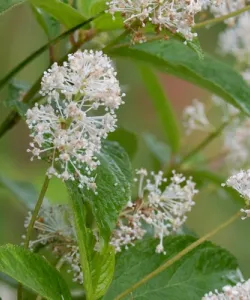
New Jersey Tea is a shrub native to most of eastern North America. Thriving in full sun to light shade, it adapts well to various soil types, including well-draining sandy, loamy, and rocky soils. Once established, it displays impressive drought tolerance, making it ideal for water-wise gardens. This deciduous shrub grows to a compact 2 to 3 feet in height and spread. Its oval-shaped, bright green leaves turn yellow or reddish in fall, while its fragrant, creamy-white to pale pink flowers appear in late spring to early summer, attracting pollinators like bees and butterflies. New Jersey Tea get its name from the time of the American Revolution when this plant's leaves were used as a temporary imported tea substitute.
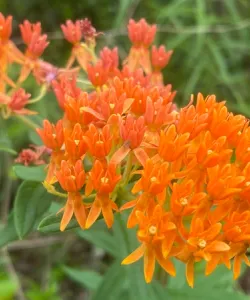
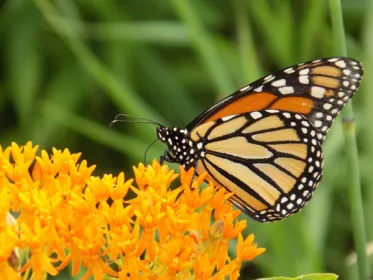
Butterfly Weed is unique as one of North America's only brilliantly orange flowers. This plant typically blooms from early summer to fall, and grows up to 2 to 3 feet tall. Beyond its aesthetic appeal, this plant offers many practical benefits for your yard as well. It is deer resistant and its deep taproot makes it a highly drought tolerant plant once established, making it an excellent choice for water-wise landscaping. By planting Butterfly Weed, you're not only adding beauty to your outdoor space but also contributing to the conservation of vital pollinators and creating a haven for wildlife. Butterfly Weed will naturally attract butterflies to your yard; but as one of a suite of native milkweed species (plants in the genus Asclepias), it is also a critical host plant for endangered Monarch Butterflies. Monarch Butterfly caterpillars feed exclusively on milkweeds, so by cultivating in your butterfly gardens, you'll be creating a stunning landscape while also contributing to the conservation of this fragile and beautiful species. If you see any caterpillars munching your milkweed, please let them continue - they are not harmful insects!
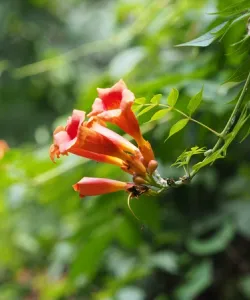
Trumpet Creeper (Campsis radicans) is a vigorous and visually striking vine known for its vibrant trumpet-shaped flowers and adaptability to various growing conditions. New Jersey marks the northernmost reaches of its known native range, though it has been introduced and naturalized elsewhere. Thriving in full sun to partial shade, this vine is adaptable to different soil types, including well-draining sandy or loamy soil. Trumpet Creeper Vine displays rapid growth and a climbing habit, often reaching heights/lengths of 30 to 40 feet or more. Its attractive compound leaves, composed of smaller leaflets, provide a dense canopy of green foliage. During summer, the vine bursts into bloom with clusters of brilliant orange-red trumpet-shaped flowers that are highly attractive to hummingbirds and other pollinators.
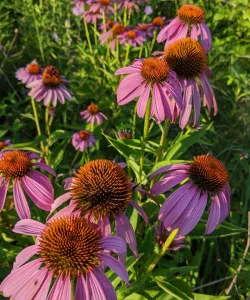
Purple Coneflower is a widely recognized species of flowering plant across the eastern US, known for its showy flowers, easy cultivation, and medicinal properties. Though technically native in states in the Midwest, this particular species has been widely introduced and naturalized throughout much of eastern North America, including New Jersey. Purple Coneflower will thrive in full sun to light shade, and adapts well to a variety of soil types, including well-draining sandy, loamy, and clay soils.
Purple Coneflower boasts a clump-forming growth habit, typically reaching heights of 2 to 4 feet and spreading about 1 to 2 feet. The distinctive blooms, featuring daisy-like purple to pink petals surrounding a raised cone-shaped center, appear from late spring through summer. These flowers attract a huge variety of pollinators, making it a valuable addition to pollinator-friendly gardens. The attractive seed heads that follow the blooms provide winter interest and can also be a food source for birds.
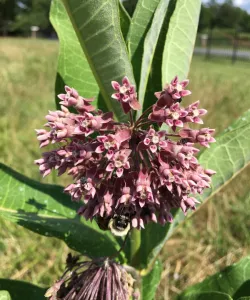
Yes, another milkweed! You just can't have too many. Common Milkweed is another native herbaceous perennial that not only adds beauty to gardens but - like Butterfly Weed - also plays a crucial role in supporting pollinators, particularly monarch butterflies. This and other species of Asclepias are called milkweeds because of their milky sap, which is highly toxic to most organisms, and provides natural defenses to both the plant and the monarch caterpillars which consume it.
Flourishing in full sun to light shade, this plant adapts well to a range of soil types, including well-draining sandy, loamy, and clay soils. Its drought tolerance and ability to thrive in various conditions make it an excellent choice for sustainable and low-maintenance gardens. Common Milkweed grows in an upright and sturdy manner, typically reaching heights of 3 to 6 feet and spreading 2 to 4 feet. The distinctive pink to mauve clusters of flowers appear from mid-summer to early fall.
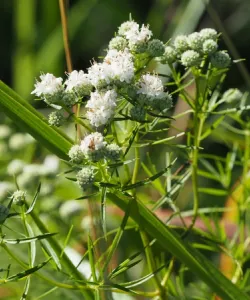
Slender Mountain Mint flourishes in full sun to light shade, and adapts well to various soil types, including well-draining sandy, loamy, and clay soils. Slender Mountain Mint has a clump-forming growth habit, typically reaching heights of 2 to 3 feet and spreading about 1 to 2 feet. The lance-shaped, gray-green leaves emit a delightful minty aroma when crushed. In mid to late summer, it produces numerous small, white to pale pink flowers in dense clusters, attracting an array of pollinators such as bees, butterflies, and beneficial insects. The plant's aromatic foliage and flowers, in addition to their pollinator-friendly nature, make it a suitable candidate for herb and wildlife gardens.
Native Plants for Part Shade
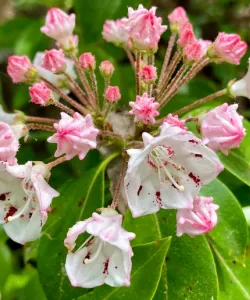
Mountain Laurel is a captivating evergreen shrub that adds elegance to gardens and landscapes. Thriving in partial shade to full sun, this plant prefers acidic, well-draining soil and is often found in woodland settings. Its glossy, dark green leaves provide year-round interest, while its stunning clusters of cup-shaped flowers bloom from late spring to early summer. These flowers showcase a wide range of colors, from white to shades of pink and deep rose, attracting pollinators like bees and butterflies.
Mountain Laurel typically grows 5 to 15 feet in height with a similar spread, forming a compact, rounded shape. Mountain Laurel's combination of year-round foliage, exquisite blooms, and shade tolerance make it a sought-after choice for gardeners seeking both ornamental beauty and a touch of native charm to shrub borders and pollinator gardens.
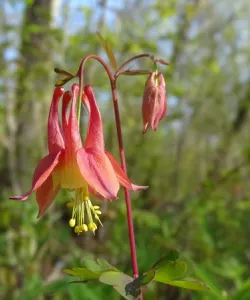
Among New Jersey native plants, Eastern Columbine brings a special touch of humble elegance to any garden. Its unique red and yellow flowers bloom from late spring to early summer and dangle from slender stems that reach up 1 to 3 feet. This plant thrives in part shade but will tolerate conditions closer to both full shade and full sun, making it one of the best native plants for gardens along forest margins and other dappled native landscapes with well-drained soils. Besides its visual appeal, Eastern Columbine plays a vital role in supporting pollinators, as its intricate flowers provide nectar for hummingbirds and bees.
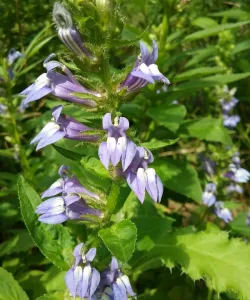
Great Blue Lobelia adds a burst of vivid blue color to part shade to full sun gardens where it will thrive in consistently moist to wet soil. This is an excellent choice for rain gardens, pond edges, or other areas with high moisture levels. The plant typically grows 2 to 3 feet tall with a clumping growth habit. Its lance-shaped leaves are medium green and provide an attractive backdrop to its vibrant flowers. From late summer to early fall, Great Blue Lobelia produces tall spikes adorned with tubular, bright blue blossoms that are magnets for hummingbirds, bees, and butterflies.
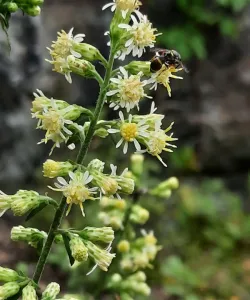
Silverrod, also known as White Goldenrod, is a native perennial that brings a unique touch to gardens with its distinctive appearance and late-season blooms. Flourishing in light shade to full sun, this plant is adaptable to various soil types, including well-draining sandy or loamy soils. Its ability to thrive in both moist and drier conditions adds to its versatility. Silverrod typically grows 2 to 4 feet tall with an upright growth habit. The lance-shaped leaves are a soft green color with silver undersides, lending a silvery shimmer to the plant's overall appearance. It produces fluffy clusters of small, pale yellow to white flowers from late summer to fall that attract pollinators and add unique charm.
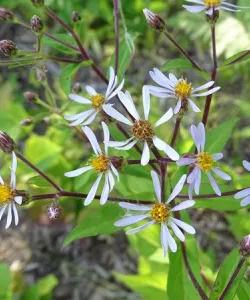
Bigleaf Aster, also known as Large-Leaved Aster, prefers partial shade to full shade and moist, well-draining soil, making it an excellent choice for shady garden beds or under trees. Bigleaf Aster typically grows 2 to 4 feet tall with a spreading growth habit. Its large, heart-shaped leaves are deep green and add a lush texture to the garden. From late summer to early fall, it produces clusters of small, daisy-like flowers with pale lavender-blue petals and yellow centers. The delicate blooms and textured foliage create a charming woodland aesthetic while supporting pollinators later in the year.
Native Plants for Shade
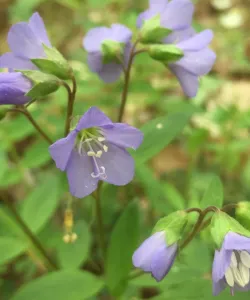
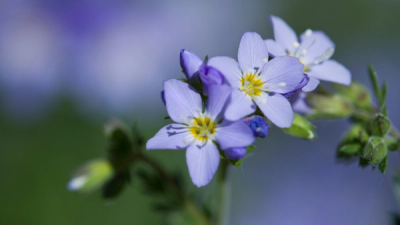
Jacob's Ladder is known for its delicate foliage and clusters of bell-shaped flowers. This plant will thrive in partial shade to full shade with well-draining, moist soil. Jacob's Ladder typically grows just 12 to 18 inches tall with a clumping growth habit. Its pinnate leaves are composed of several leaflets arranged like the rungs of a ladder, giving the plant its name. It blooms in late spring to early summer with clusters of nodding, bell-shaped flowers in shades of blue, pink, or white. Jacob's Ladder's shade tolerance, elegant foliage, and dainty flowers make it a delightful addition to shade gardens, adding both visual charm and a touch of native beauty to shaded spaces.
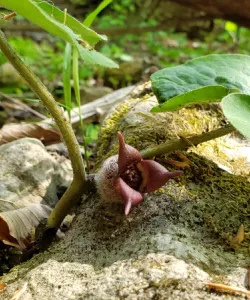
Wild Ginger is a charming native woodland perennial with unique heart-shaped leaves. This low-growing plant spreads by rhizomes to form lush, dense carpets of green foliage, making it an excellent ground cover choice for shaded areas with well drained moist soils. Wild Ginger features relatively inconspicuous flowers which are tucked beneath the leaves and often hidden from view, but they emit a delightful spicy fragrance that attracts early spring pollinators like bees and flies. The velvety leaves provide cover for small creatures and its rhizomatous growth habit helps control soil erosion.
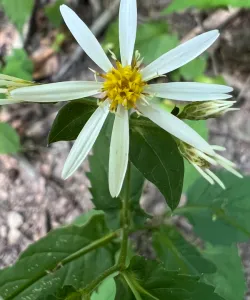
White Wood Aster is a delicate yet resilient native wildflower that favors woodlands and shady gardens with its understated beauty. This perennial plant features dainty, daisy-like white flowers that bloom in late summer to early fall, providing a late-season burst of color when many other plants have finished flowering. Reaching a height of about 1 to 3 feet, White Wood Aster is known for its slender stems and broad dark green leaves, which create an attractive backdrop for its starry blooms.
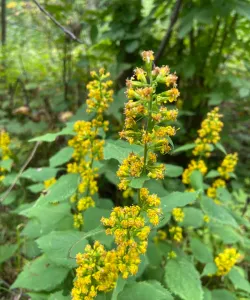
Zigzag Goldenrod thrives in partial shade to full shade with moist, well-draining soil. This plant typically grows 1 to 3 feet tall with an arching, zigzagging stem that lends the plant its name. Its lance-shaped leaves are a deep green color and alternate along the stem, adding an elegant touch to the garden. In late summer to fall, when most other plants are done blooming, it produces clusters of small, bright yellow flowers that offer critical support to pollinators.
What you can do today
If you’re ready to bring more New Jersey natives into your landscape, you can choose the path that fits your bandwidth. Our pre‑designed native garden collections for New Jersey group compatible species together, so you can install a full planting that looks intentional and supports wildlife without having to design every square foot yourself.
Prefer to build things plant by plant? You can also shop individual New Jersey native species in 3‑packs, 6‑packs, and full trays. That’s a great way to test new plants, fill in around existing beds, or gradually convert portions of your yard to natives over time.
You can also visit our Learning Center to explore practical guides on planning, planting, watering, and long‑term care for native gardens and ecologically robust yards. Between the plants and the how‑to support, you’ll have everything you need to take a clear next step this season.
Share this article