Low‑Chemical and Organic Yard Care for Native Landscapes

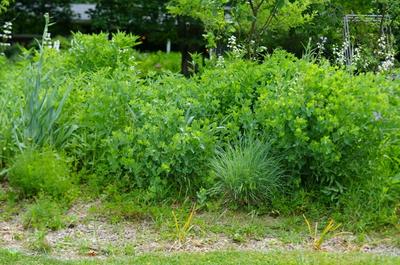
Low‑chemical yard care is simply bringing your maintenance habits in line with what native landscapes are already built to do: function with less intervention. This guide shows why cutting back on synthetic products matters so much in native yards, and how to handle weeds, pests, lawn, and seasonal care in ways that protect pollinators, soil life, pets, and people.
Why low‑chemical care is especially important in native yards
Native gardens are meant to support birds, pollinators, and other wildlife. Many of those species are highly sensitive to common yard chemicals.
Key reasons to shift your approach:
- Broad‑spectrum insecticides can kill pollinators and beneficial insects along with pests.
- Many herbicides and weed‑and‑feed products harm or stress non‑target plants and soil organisms.
- Fungicides can disrupt beneficial fungi that help native plants access water and nutrients.
- Children, pets, and neighbors are exposed to whatever is used on lawns and beds - as are you!
Because native plantings already reduce many problems that chemicals are meant to “fix,” a low‑chemical or organic approach is both realistic and aligned with your ecological goals.
Rethinking “perfect” lawns and gardens
A lot of chemical use comes from chasing unrealistic standards: weed‑free lawns, insect‑free plants, and spotless beds. Native landscapes invite a different baseline.
Mindset shifts that make low‑chemical care easier:
- A few weeds are often acceptable. Not every dandelion or clover plant is a crisis; many “weeds” are also nectar sources or ground covers.
- Some leaf damage is normal - even cause for celebration. Holes in leaves often mean caterpillars and other insects are using your plants, which is exactly what you want for a functioning food web.
- Natural mulch and leaf litter are assets, not mess. They protect soil, reduce weeds, and provide habitat. Commercial and plastic mulches often leach dyes and can superheat beds.
- “Neatness” comes from edges and structure, not bare ground. Clear borders, paths, and repeated plant groupings let a garden read as intentional even when it’s ecologically rich.
Once you adjust expectations, the need to reach for quick chemical fixes drops dramatically.
Organic and low‑input weed management
Weeds are often the main driver of herbicide use. In a native landscape, you can manage them with design and targeted tactics instead of blanket treatments.
Core strategies:
- Start with a good prep. When converting a lawn or bed, remove existing weeds thoroughly (by smothering, solarizing, or careful digging) so you start with a cleaner slate.
- Plant densely. Design plantings to fill in, so mature natives shade the soil and outcompete many weeds. (Hint - we have many gardens designed to do just that!)
- Use mulch strategically. Apply undyed wood chips or shredded leaves in young plantings to cover bare soil and suppress weed seeds until plants knit together - just make sure to avoid letting the mulch touch young plants as this can kill them off from stress.
- Hand‑weed and spot‑treat. Focus on problem species and young weeds. For persistent invaders, use targeted methods (digging roots, cut‑and‑paint for woody invasives) instead of broadcast sprays.
- Accept low‑impact “weeds.” In non‑prominent areas, tolerate some benign species if they’re not aggressive and don’t threaten your native plantings.
These practices take more attention up front but often result in less work and fewer weeds over time as native plants establish. For much more information on safe and effective weeding methods, check out Weeding Native Beds and Weeds vs. Wildflowers: Keeping Native Gardens from Getting Overrun.
Supporting natural pest control and avoiding broad‑spectrum insecticides
In a native garden, most insects are not pests - they’re pollinators, decomposers, and food for birds and other wildlife. The goal is to support a balanced insect community, not eliminate bugs altogether.
Key practices:
- Avoid routine insecticide use. Skip “just in case” sprays. If you don’t have a documented problem, you don’t need a treatment.
- Clearly identify the issue before acting. When you see damage, figure out what’s causing it and whether it’s temporary or serious. Many outbreaks are brief and self‑correcting. Check our Problem Solving hub if you're facing an issue.
- Encourage beneficial insects. Diverse native plantings, continuous bloom, and some undisturbed habitat (leaf piles, stems, small brush piles) attract predators and parasitoids that keep pest populations in check.
- Use least‑toxic, targeted methods when necessary. If intervention is needed, consider physical removal, pruning affected parts, or very targeted applications that avoid flowers and peak pollinator activity. Read more in our Pesticide‑Free and Wildlife‑Safe Yard Practices guide.
- Tolerate cosmetic damage. Leaves with holes or chewed edges are part of a functioning food web, not a sign of failure.
By letting the ecosystem do more of the pest control, you rarely need chemicals at all.
Healthier soil through chemical‑light practices
Soil health is central to low‑input gardening, and it’s easily damaged by some conventional products.
Soil‑friendly habits:
- Skip routine synthetic fertilizers. Many native plants don’t need them, and over‑fertilizing can encourage weak, lush growth and more weeds. Focus instead on organic matter and right‑plant, right‑place.
- Avoid soil‑sterilizing products. Some weed killers and fungicides damage the microbial and fungal communities that support plant health.
- Use organic amendments sparingly and purposefully. Compost and natural mulches feed soil life. If a soil test indicates a specific deficiency, address that directly rather than applying broad “complete” fertilizers.
- Minimize disturbance. Tilling and frequent digging break up soil structure and fungal networks. Plant carefully and then let roots and soil organisms do the work.
Healthy soil helps native plants access nutrients and water naturally, reducing the need for corrective products.
Safer lawn care around native plantings
You may still want or need some lawn, especially for play areas or paths. Low‑chemical care can make those lawn areas more compatible with native gardens.
Lawn care guidelines:
- Mow higher and less often. Taller grass (around 3 inches or more, depending on species) competes better with weeds, shades soil, and may need less water.
- Overseed with more diverse turf or clover. Mixed lawns can handle stress better and require fewer inputs.
- Spot‑treat rather than broadcast. If you use weed control, keep it away from native beds and treat only problem patches, avoiding windy days and edges near habitat areas.
- Keep fertilizer minimal. If you fertilize, do so sparingly and at recommended times, and avoid runoff into native beds, sidewalks, and storm drains.
- Use the lawn as a frame, not the main feature. Smaller, well‑defined lawn areas surrounded by native plantings offer function and aesthetics with fewer inputs.
This approach keeps lawn use compatible with your broader ecological goals.
Pet‑, kid‑, and pollinator‑safe yard routines
Low‑chemical care is not just about wildlife; it directly affects the safety of people and pets using the yard.
Safer routines include:
- Choosing mechanical, non‑toxic, or least‑toxic products when needed. If a treatment is unavoidable, research options with lower toxicity and shorter persistence.
- Following labels strictly. Apply only what’s recommended, in the right conditions, and keep kids and pets away from treated areas until they’re safe.
- Timing interventions carefully. Avoid spraying near bloom time or during peak pollinator activity, and never apply insect‑killing products directly to flowers.
- Storing products securely. Keep any chemicals you do use locked away from children, pets, and wildlife.
These practices reduce health risks while still allowing for occasional targeted interventions if absolutely necessary.
Seasonal checklist for low‑chemical native yard care
A simple, seasonal rhythm helps you stay on top of maintenance without defaulting to quick chemical fixes.
Spring
- Cut back stems and grasses, leaving some standing stems for habitat if possible.
- Top up mulch in young plantings, using natural materials.
- Hand‑weed early flushes of cool‑season weeds.
Summer
- Water new plantings deeply but infrequently.
- Spot‑weed and monitor for any serious pest issues.
- Accept some leaf damage; intervene only if plants are truly declining.
Fall
- Let leaves fall into beds and under shrubs; rake off only hardscape and high‑traffic lawn.
- Remove or cut back aggressive annual weeds before they seed.
- Plant or divide natives during cooler, moister conditions where appropriate.
Winter
- Avoid working sodden soils.
- Leave seed heads and stems for birds and overwintering insects where possible, planning major cleanup for late winter.
This cycle supports plant health, soil life, and wildlife without relying on synthetic inputs. Get more tips on Plant Care and Seasonal Maintenance in our dedicated hub.
Share this article