Soil Health in Native Gardens: Building Living, Low‑Input Yards

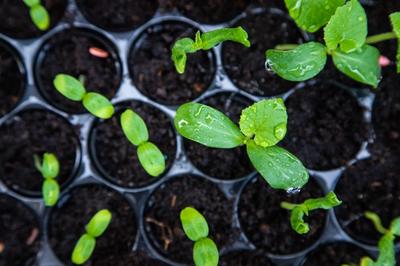
Soil health is what makes truly low‑input native gardens possible. A living, well‑structured soil supports deeper roots, better water infiltration, and a rich community of microbes and invertebrates so your yard needs less watering, fertilizing, and intervention over time.
What “healthy soil” actually means
Healthy soil is more than just “dirt.” It’s a living system made up of:
- Mineral particles (sand, silt, clay)
- Organic matter (decaying leaves, roots, compost)
- Water and air in the pore spaces
- A web of organisms: bacteria, fungi, earthworms, insects, and many others
In a healthy soil:
- Water soaks in instead of running off.
- Roots can grow deeply and access nutrients.
- Microbes and fungi break down organic matter and make nutrients available to plants.
- The soil surface resists erosion and compaction.
Unhealthy soils, which are often compacted, low in organic matter, or heavily disturbed, tend to shed water, grow weak plants, and require frequent fertilizer and irrigation just to keep things alive.
Why native plants and healthy soil go hand in hand
Native plants and healthy soil support each other. When you choose species adapted to your region’s climate and natural soils, they are better able to:
- Grow deep, extensive root systems.
- Form partnerships with beneficial fungi (mycorrhizae).
- Access water and nutrients without constant inputs.
In turn, native plants help build soil health by:
- Adding a steady supply of roots and organic matter as they grow, shed, and decompose.
- Protecting the soil surface with foliage and litter.
- Supporting diverse soil organisms through root exudates (compounds plants release into the soil).
This feedback loop is what allows native gardens to become more self‑reliant over time compared to high‑input lawns, ornamentals, and annual beds.
Understanding your starting soil
Before you try to “fix” your soil, it helps to understand what you already have. The goal is not to create a perfect, uniform soil everywhere but to match plants and practices to existing conditions.
Key factors to notice:
- Texture: Does your soil feel sandy, silty, or clay‑heavy?
- Drainage: Does water soak in quickly, sit on the surface, or drain too fast?
- Compaction: Is the top layer hard and difficult to dig into? Do roots hit a barrier?
- Organic matter: Is there any dark, crumbly material in the top layer, or is it mostly pale, lifeless subsoil?
Simple actions like digging a small test hole, observing how quickly water disappears, and looking at root depth in existing plants can tell you a lot. If available, a basic soil test can also help you understand pH and nutrient levels, but even without lab data you can make meaningful improvements with the right practices.
Building soil with organic matter: leaves, mulch, and compost
Organic matter is the fuel for soil life and a key ingredient in low‑input gardens. It improves structure, water‑holding capacity, and nutrient availability.
Practical ways to add and protect organic matter:
- Leave the leaves (where it makes sense). In native planting beds and under shrubs or trees, a layer of fallen leaves acts as free mulch. It slows evaporation, protects soil organisms, and provides habitat for beneficial insects. Read more on when and how to leave the leaves.
- Use natural, organic mulches. Shredded leaves, wood chips, or partially composted yard waste can help cover bare soil while native plants are filling in. Over time, these materials break down and feed the soil.
- Add compost strategically. A thin layer of mature compost incorporated into the top few inches of soil in new beds can jump‑start microbial life and improve structure. You rarely need heavy, repeated applications in native plantings.
- Avoid over‑tilling. Deep or frequent tilling breaks up soil structure and fungal networks. Disturb the soil only as much as necessary to plant, then let roots and soil life do the rest.
These practices gradually shift your soil from compacted and lifeless toward darker, more crumbly, living soil that supports native plants with fewer outside inputs.
Reducing compaction and improving infiltration
Compacted soil is one of the biggest obstacles in existing yards, especially where heavy equipment, repeated foot traffic, or years of lawn have compressed the surface.
To reduce compaction and improve infiltration:
- Loosen, don’t pulverize. When preparing new beds, break up hard layers with a digging fork or broadfork rather than grinding the soil into a fine powder, which collapses again into a dense mass.
- Plant deep‑rooted natives. Many native grasses, forbs, and shrubs naturally break up compacted layers over time as their roots push deeper and leave channels behind.
- Minimize heavy traffic. Use paths or stepping stones to concentrate foot traffic and avoid walking on planting areas when the soil is very wet.
- Protect bare soil. Mulch and plant cover crops or temporary groundcovers rather than leaving soil exposed, which accelerates crusting and compaction.
As structure improves, you’ll notice less standing water after storms, deeper root growth, and fewer problems with plants “sitting in water.”
Fertilizers, chemicals, and a low‑input philosophy
A core benefit of healthy soil in native gardens is that it reduces dependence on synthetic fertilizers and pesticides.
Guiding principles:
- Go easy on fertilizers. Native plants are adapted to moderate or low‑nutrient soils. Heavy (really almost any) chemical fertilization will encourage weak, leggy growth, more weeds, and imbalanced soil biology. Read more in Low-Chemical and Organic Yard Care for Native Landscapes.
- Feed the soil, not just the plant. Prioritize organic matter and soil life so nutrients are cycled gradually and naturally. If a soil test reveals specific and critical deficiencies, target those particular rather than applying “complete” fertilizers by default.
- Avoid broad‑spectrum insecticides and fungicides. These products often harm beneficial insects, soil fungi, and other organisms that keep pests in check. In a native garden, some insect activity and leaf damage are signs of a functioning food web. Read more on Pesticide‑Free and Wildlife‑Safe Yard Practices and when to actually worry about perceived Pests in Native Gardens.
- Use spot treatments carefully. When you do need to manage a specific pest or aggressive weed, choose the least‑toxic methods and apply them narrowly to minimize collateral damage.
Over time, as plantings mature and soil health improves, many common problems decline, and the need for interventions drops significantly.
Designing plantings that protect and improve soil
Garden design choices affect soil health as much as one‑time amendments. Native plantings that are dense, layered, and well‑matched to site conditions do more for soil than sparse, high‑maintenance layouts.
Design tips:
- Aim for full coverage. Plant with the goal that, once mature, foliage and groundcovers will shade most of the soil surface, keeping it cool and protected.
- Mix root depths and types. Combine shallow‑rooted groundcovers with deep‑rooted grasses, forbs, and shrubs. Different roots explore different soil layers and help distribute organic matter.
- Use living edges. Replace some hard edging or empty mulch bands with low native groundcovers that stabilize soil and connect beds to the rest of the landscape.
- Plan for year‑round cover. Evergreen or semi‑evergreen natives, along with plants left standing through winter, help shield soil during the windiest, wettest months.
This kind of design turns your plant community into a long‑term soil‑building tool.
Seasonal practices to maintain living soil
Soil‑friendly maintenance is mostly about timing and restraint rather than constant action.
Seasonal habits to adopt:
- Spring: Wait to do major cutbacks until late winter or early spring, and cut stems rather than pulling plants out. Leave some hollow stems and leaf litter for overwintering insects.
- Summer: Water deeply but infrequently during establishment, encouraging deeper roots. Spot‑weed and top up mulch where needed, especially in younger plantings.
- Fall: Let most leaves fall into beds and under shrubs. Rake only where necessary for safety or hardscape, then move those leaves into planting areas instead of bagging them up.
- Winter: Avoid working overly wet soils and resist the urge to “clean up” every plant. Standing stems and seed heads protect soil and provide habitat.
These rhythms support soil organisms year‑round and keep your native garden aligned with natural cycles. Check out more in our Plant Care, Maintenance & Seasonal Guides for Native Gardens hub.
How you can build living, low‑input yards
Improving soil health can feel abstract, especially if you are used to thinking in terms of quick fixes and products. It becomes much easier when your plant choices and layouts are already working with, rather than against, your soil.
My Home Park designs with soil health in mind. Regionally focused native garden kits group plants that are well‑matched to local conditions and capable of building soil structure and organic matter over time. At the same time, a large and growing list of fantastic native plants for most regions gives you the ability to select individual species with confidence, knowing they will support healthy soils and robust ecosystems in your yard.
With clear guidance on site prep, planting, and soil‑friendly maintenance, you can shift from fighting your soil to partnering with it to create a native garden that becomes healthier and easier to care for year after year.
Share this article