Protecting New Plantings from Deer and Rabbits

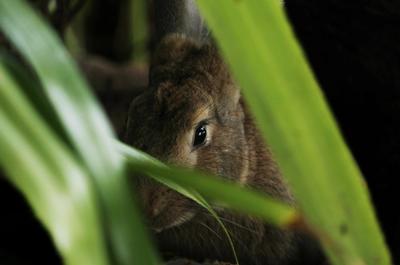
New native trees, shrubs, and perennials are like seedlings in a nursery: full of potential, but easy for deer and rabbits to overwhelm. A little targeted protection in the first few seasons lets roots deepen and stems toughen so your plants can graduate into the “occasional nibbling is fine” phase instead of being eaten to the ground.
Why new plantings need extra protection
New plantings need extra protection because:
- Deer and rabbits target tender new growth.
- One bad season can kill young trees/shrubs or delay establishment for years.
- Protecting the first 2–3 seasons lets roots deepen and stems toughen so plants can handle light nibbling later.
Deer and rabbits are especially drawn to tender new growth, which makes freshly planted natives prime targets. A single season of heavy browsing or girdling can kill young trees and shrubs or set perennials back so far that they never really establish.
Protecting plants through their first 2–3 growing seasons lets roots deepen and stems thicken, so they are better able to tolerate occasional nibbling later on. Think of this kind of protection as temporary training wheels that you can remove once the plant is truly anchored.
Knowing the difference between deer and rabbit damage
Typical signs:
- Deer: Ragged, torn ends on stems and missing buds/tips at reachable height.
- Rabbits: Clean, angled cuts low on stems and gnawing on bark near the base.
- In many yards both are present, so plan for protection low and high.
Deer usually browse from the top down, leaving torn, ragged ends on stems and missing tips or buds at reachable heights. Rabbits tend to clip shoots cleanly at an angle closer to the ground and may gnaw bark around the base of young trees and shrubs, potentially girdling them.
Recognizing which animal is doing the damage helps you choose the right mesh size and height for guards and fences. In many yards, both are present, so it pays to assume that protections need to stop tall browsers and low nibblers at the same time.
Protecting young trees and shrubs
For young woody plants:
- Wrap trunks with hardware cloth or tree guards to prevent bark chewing.
- Use wire or mesh cages around whole plants to stop deer from browsing buds and leaders.
- Make cages tall enough so deer can’t reach over and wide enough so branches don’t quickly grow into the mesh.
Wrapping young tree and shrub trunks with hardware cloth, tree guards, or sturdy mesh can prevent rabbits and rodents from chewing bark in winter. For deer, surrounding the whole plant with a wire or mesh cage secured to stakes keeps them from browsing buds and leaders while the plant gains height.
Cages should be tall enough that deer cannot easily reach over and wide enough that branches do not grow into the sides too quickly. As trees and shrubs mature, guards can be adjusted or removed, and light tip‑browsing on higher branches often becomes less serious. Check out some more Humane Deer Deterrents and Exclusion Options to find the right fit (or fits) for your yard.
Shielding perennials and small natives
For perennials and small shrubs:
- Use simple cages (wire fencing, hardware cloth, or tomato cages with mesh) over individual plants.
- In high‑pressure areas, put low mesh panels or small perimeter fences around whole beds.
- Use netting or row covers briefly after planting, securing them so wildlife can’t get tangled.
For herbaceous perennials and small shrubs, simple cages made from wire fencing, hardware cloth, or even repurposed tomato cages wrapped with mesh can be very effective. These mini‑exclosures keep deer from biting off flower stalks and rabbits from clipping stems at ground level during critical establishment phases.
In higher‑pressure spots, small perimeter fences or low mesh panels around entire beds can protect many young plants at once. Netting and row covers may also be used temporarily, especially right after planting, as long as they are secured so wildlife cannot get tangled.
Timing: when to install and remove protection
As a rule of thumb:
- Install guards at planting or as soon as you notice browsing.
- Keep protection through at least one winter and one full growing season (often several years for trees/shrubs).
- Loosen or remove barriers gradually once plants are clearly rebounding from minor nibbling.
Install guards and cages at planting time or as soon as you notice browsing, rather than waiting for serious damage to accumulate. Young plants generally benefit from continuous protection through at least one winter and one full growing season, with many trees and shrubs needing several years.
As plants put on size and show they can rebound from minor nibbling, you can start to loosen or remove some barriers while watching closely for renewed pressure. This gradual approach keeps your garden from feeling over‑armored while still safeguarding your investment.
Layering physical protection with good plant placement
Protection is most effective when you:
- Place vulnerable plants near the house or inside enclosed spaces so guards can be smaller and fewer.
- Use tougher, deer‑tolerant natives on edges and along deer paths.
- Reserve intensive protection for a limited number of high‑value plants.
Protection works best when paired with smart placement and deer‑tolerant plant choices outlined in other cluster pages. Placing the most vulnerable plants near the house or inside enclosed spaces means guards and cages can be smaller, fewer, and easier to maintain.
At the edges and along deer paths, lean on tougher native species so you can reserve intensive protection for fewer, high‑value plants. Over time, this layered strategy reduces both damage and the amount of hardware needed in the landscape. Check out more tips on placement in our Designing Gardens to Reduce Deer Pressure guide.
Read more on deterring Rabbits, Groundhogs, and Other Small Mammals in Native Beds and selecting Deer-Tolerant Native Plants for Home Gardens to continue your journey.
Share this article