Plant Texas Lantana in full sun with well-drained soil, and avoid overwatering once established. Prune lightly to shape as needed, or cut back frost-damaged stems in spring to encourage fresh growth from the base.
Hummingbird Plants
Texas Lantana
Lantana urticoides
$29.99
$34.99
You Save 15%
Reserve Now
Ships the week of October 12.
Select Quantity
3-Pack
3 Plants
$10.00/plant
6-Pack
6 Plants
$9.17/plant
Verify Availability
Show Native Range
Enter your ZIP code to verify if these plants are available in your area.
Quantity
Sourced ecologically
Delivered to Your Door
Easy Planting
About this Plant
Texas Lantana delivers a nearly nonstop show of warm-season color in hot, sunny gardens. Rounded flower clusters open yellow, then shift through orange, coral, and red, often displaying multiple colors at once. The changing blooms stand out beautifully against coarse, deep green foliage, giving this native shrub a lively presence in borders, habitat gardens, and water-wise landscapes.
Built for intense sun and prolonged heat, Texas Lantana thrives in lean, well-drained soil and needs little supplemental water once established. Its nectar-rich flowers attract butterflies, including swallowtails and skippers, along with hummingbirds, native bees, and other pollinators. Dark fruits may follow the flowers and provide food for birds, though they should not be treated as edible for people or pets.
Why Choose Texas Lantana?
- Long-lasting yellow, orange, coral, and red flower clusters
- Excellent nectar source for butterflies, bees, and hummingbirds
- Handles heat, drought, and exposed sunny sites
- Birds may feed on the dark fruits later in the season
-
Great as a colorful specimen, hedge, slope planting, or pollinator-garden anchor
Maintenance Tips
- Plant Texas Lantana in full sun and well-drained soil.
- Avoid frequent irrigation and rich fertilizer that can encourage excessive foliage at the expense of flowers.
- Prune frost-damaged or woody stems in late winter or early spring, wearing gloves when handling the coarse foliage.
- Cut plants back more firmly when a denser or more compact shape is desired.
Details
Soil Types
-
Soil Moisture
-
Sun Exposure
-
Hardiness Zone
USDA 8–11
Plant Type
Shrub
Mature Height
-
Mature Width
-
Bloom Color
Orange
Bloom Time
-
Root Type
Fibrous
Texas Lantana
$29.99$34.99
Ecological Benefits
Attracts Pollinators
Provides nectar and pollen for bees and other pollinators.
Attracts Butterflies
A nectar source that draws butterflies throughout the season.
Drought Tolerant
Thrives with minimal watering once established.
Butterfly Host
Supports butterfly caterpillars as a host plant.
Deer Resistant
Less likely to be browsed by deer.
Attracts Hummingbirds
Nectar-rich blooms that draw hummingbirds to your garden.
Birds
Seeds or berries provide food for birds.
Soil Stabilizing
Deep roots help prevent erosion and stabilize soil.
What Folks Are Saying
“It's like following a recipe. Choosing from multiple designs is fun.” - Kari
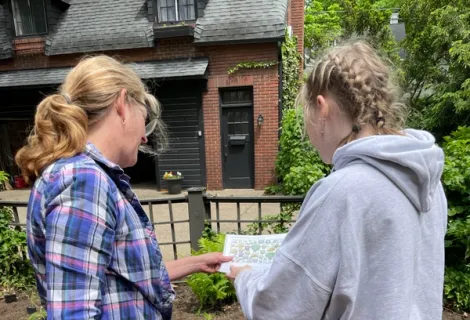
“The process from the website to getting the plants, could not have been easier or more seamless.” - Justin

“I can't believe that we are the house with this beautiful garden.” - Howard
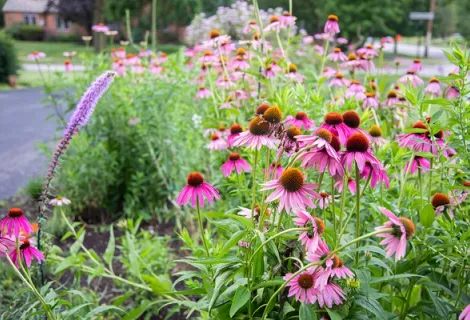
“I've never planted anything in my life. And this was actually quite fun.” - Steve
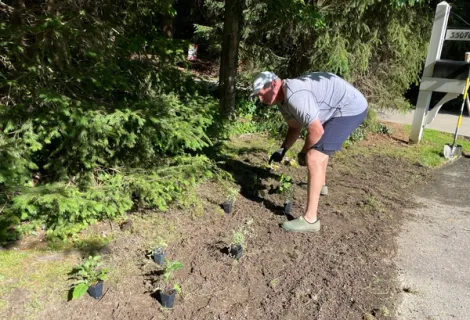
Shop Additional Species

Coral Honeysuckle
Lonicera sempervirens
From $5.28/plant
Save 15%

White Sage
Salvia apiana
From $9.17/plant
Save 15%

Scarlet Sage
Salvia coccinea
From $5.28/plant
Save 15%

Butterfly Milkweed
Asclepias tuberosa
From $3.98/plant
Save 15%

Hummingbird Sage
Salvia spathacea
From $9.17/plant
Save 15%

Coyote Mint
Monardella villosa
From $9.17/plant
Save 15%

Dense Blazing Star
Liatris spicata
From $4.66/plant
Save 15%

Island Bush Snapdragon
Galvezia speciosa
From $9.17/plant
Save 15%

Great Blue Lobelia
Lobelia siphilitica
From $4.66/plant
Save 15%

Eastern Smooth Beardtongue
Penstemon laevigatus
From $5.28/plant
Save 15%

Royal Catchfly
Silene regia
From $4.66/plant
Save 15%

Big Blue Sage
Salvia azurea
From $4.66/plant
Save 15%

Bush Monkeyflower
Diplacus aurantiacus
From $9.17/plant
Save 15%

Black-Eyed Susan
Rudbeckia hirta
From $5.28/plant
Save 15%

Cardinal Flower
Lobelia cardinalis
From $3.98/plant
Save 15%

Lyreleaf Sage
Salvia lyrata
From $5.28/plant
Save 15%

Obedient Plant
Physostegia virginiana
From $9.17/plant
Save 15%

Swamp Milkweed
Asclepias incarnata
From $3.98/plant
Save 15%

Dense Blazing Star
Liatris spicata
From $5.28/plant
Save 15%

Southern Blue Flag Iris
Iris virginica
From $9.17/plant
Save 15%
Scarlet Sage
Salvia coccinea
From $9.17/plant
Save 15%

Texas Betony
Stachys coccinea
From $9.17/plant
Save 15%

Red Yucca
Hesperaloe parviflora
From $9.17/plant
Save 15%
Obedient Plant
Physostegia virginiana
From $9.17/plant
Save 15%