Native Plants of Massachusetts: 12 Options For Your New England Garden

Massachusetts packs a lot of landscape into a relatively small footprint. Coastal sand and salt spray, rocky New England hillsides, old field edges, city tree belts, and shady, woodsy backyards can all show up within a short drive. It makes sense that some off‑the‑shelf landscape plants struggle once they meet real Massachusetts conditions.
Native plants give you a much better starting point. They evolved in the forests, wetlands, barrens, and meadows that shaped this part of New England, so they’re already tuned to our winters, humid summers, and often tricky soils. Bring them into your yard and you get plants that usually need less coddling and do far more for pollinators and birds than most imports.
In this guide, you’ll meet 12 Massachusetts native plants that slot smoothly into home gardens, from sunny borders to part‑shade beds and woodland‑edge corners. The goal isn’t to make you memorize every species, but to introduce you to just a few native plants you can feel good about planting.
What do we mean by “native plants” in Massachusetts?
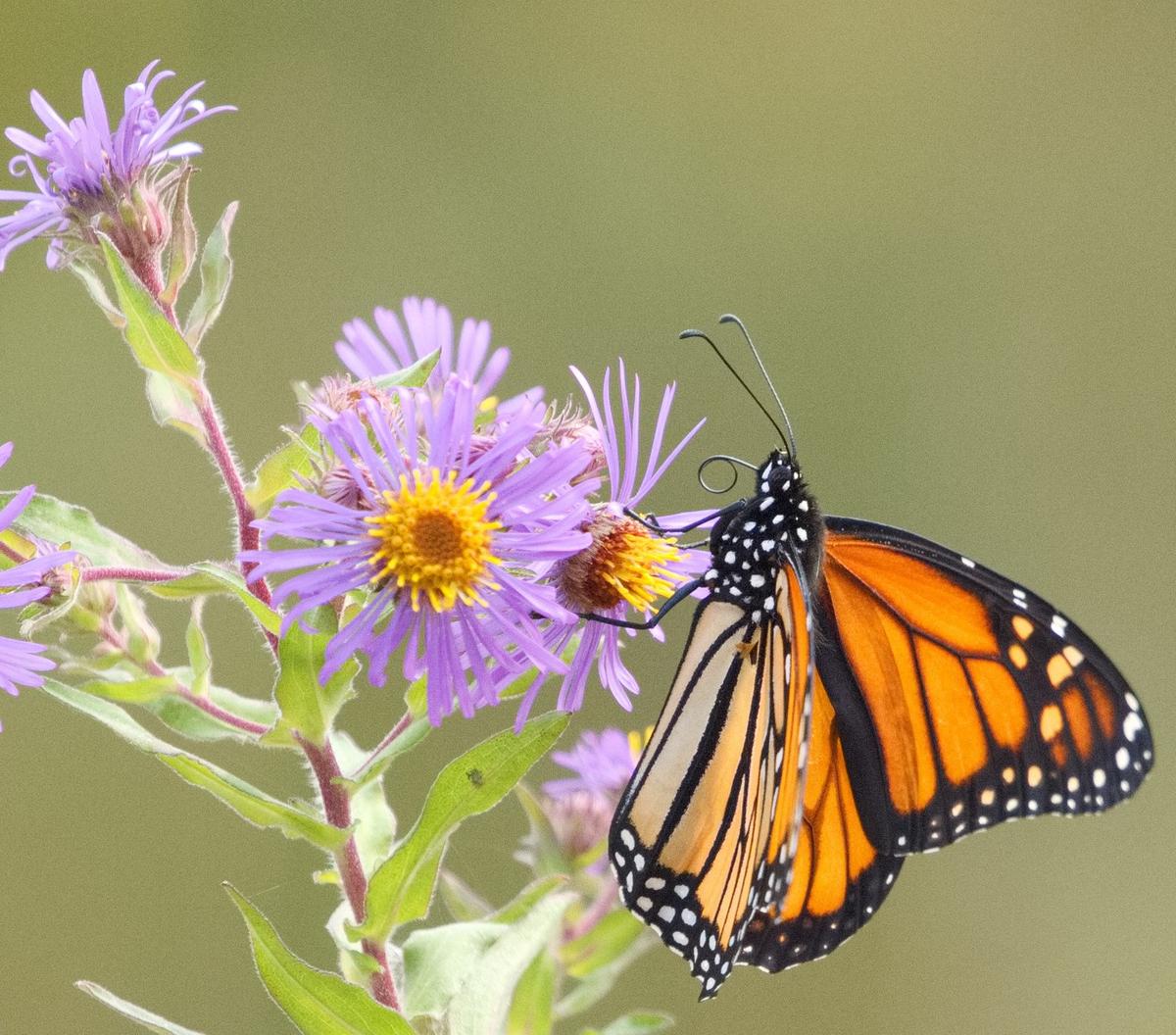
A Monarch Butterfly feeding from a purple Aster.
When we talk about native plants here, we mean species that grew in the region long before lawns, street trees, and imported ornamentals reshaped the landscape; plants that were part of Massachusetts’ forests, wetlands, coastal dunes, and rocky uplands for thousands of years. Today’s native plants are the descendants of those original populations that supported local ecosystems well before European colonists arrived.
Because they developed in New England’s climate and soils, these species are used to freeze–thaw cycles, salty coastal air in some areas, shallow or rocky ground in others, and the kind of weather swings that make gardening here interesting. Many are quick to establish, tolerate dry spells once their roots are down, and rarely need fertilizer. The right Massachusetts natives can give you a garden that feels at home in its surroundings and quietly does real ecological work.
Why native plants matter in a Massachusetts garden
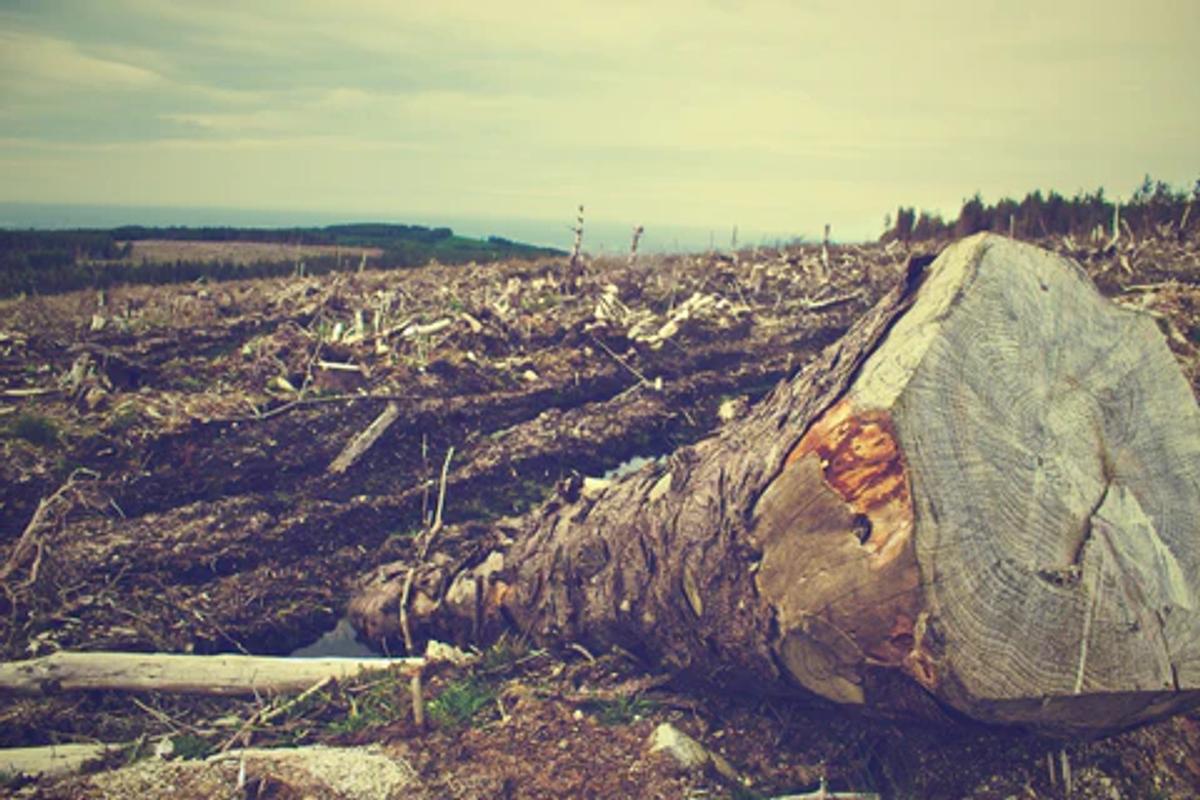
Habitat mismanagement is a leading driver of biodiversity loss worldwide.
Across New England, we’ve converted a huge amount of land to roads, buildings, lawns, and plantings built around species from other parts of the world. That shift leaves less room for the insects, birds, and other wildlife that depend on native plants for nectar, pollen, seeds, and shelter. A yard that is mostly turf grass with a few non‑native shrubs doesn’t add much back.
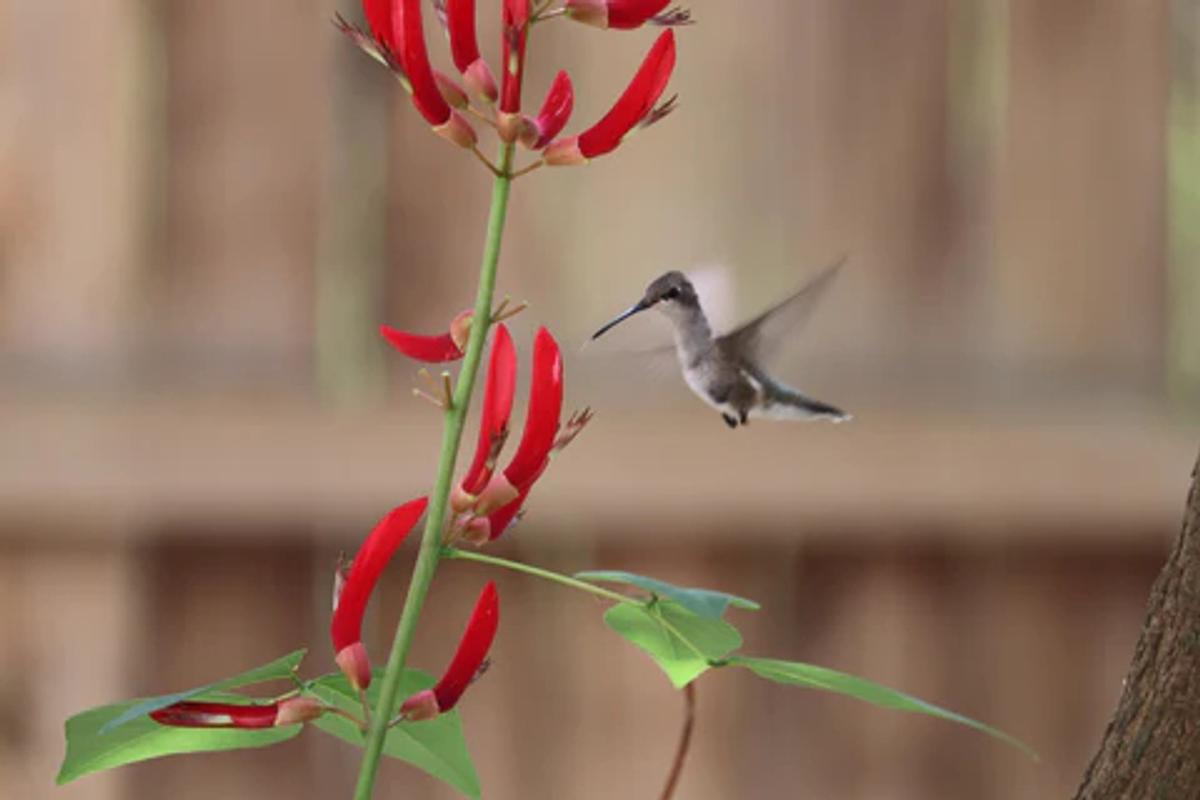
Native trees, shrubs, grasses, and wildflowers start to repair that imbalance. Their flowers and foliage feed a wide range of beneficial insects, and the birds and other animals that in turn depend on those insects, while their roots help hold soil, cycle nutrients, and soak up stormwater more effectively than a typical lawn. Many Massachusetts natives also handle poor or compacted soils, summer dry periods, and shade surprisingly well, which makes them practical choices for real yards, not just show gardens.
Even a modest planting of a handful of New England natives in a foundation bed, under a street tree, or along a fence can increase how much life your landscape supports while still looking polished and intentional.
Massachusetts native plants for your New England landscape
The 12 plants below are grouped by how much light they prefer: full sun, partial shade, or full shade. That means your first job is simply to notice what you already have: where the sun hits most of the day, where it filters through trees, and which spots stay under a heavier canopy (learn how, here!).
Once you’ve mapped that out, use these lists as a menu. In bright spots, you can lean into showy bloomers like Wild Bergamot, Swamp Milkweed, or Garden Phlox; in part‑shade and shade, woodland‑edge species like Blue‑stemmed Goldenrod, Golden Ragwort, Foamflower, and White Wood Aster will feel right at home. You don’t need to redesign everything at once; layering in a few of these Massachusetts natives each year will steadily shift your garden toward something more resilient and alive.
Native Plants for Full Sun
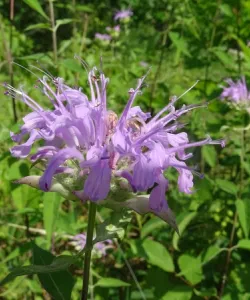
Many of us have likely come across Wild Bergamot (also called Bee Balm), which is one of many herbaceous perennials native to Massachusetts and many other parts of North America. This is an incredibly adaptable plant that will thrive in various growing conditions so long as it gets enough sun exposure. Its lovely lavender flowers will attract butterflies, bees, and even hummingbirds to your garden during its mid summer bloom. An easy native plant to maintain, Wild Bergamot grows about 4' tall on average and requires only rare division to keep in one place.
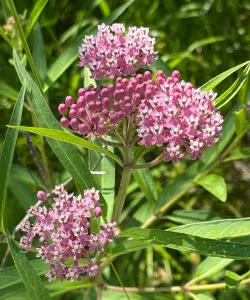
Swamp Milkweed, also commonly referred to as Red or Rose Milkweed, is a wonderful choice for first-time gardeners looking to make a positive impact on their environment. With its striking clusters of pink or mauve flowers and long, slender leaves, this native perennial not only adds beauty to your garden but also supports important pollinators like butterflies and bees. Easy to care for and adaptable to various soil types, Swamp Milkweed is a perfect starting point for those new to gardening, providing a splash of color while contributing to the health of local ecosystems.
As a member of the Asclepias genus of milkweeds, Swamp Milkweed also provides endangered Monarch Butterflies with a place to lay their eggs. Monarch Butterfly caterpillars feed exclusively on milkweeds, so by cultivating Rose Milkweed in your garden, you'll be creating a stunning landscape while also contributing to the conservation of this fragile species.
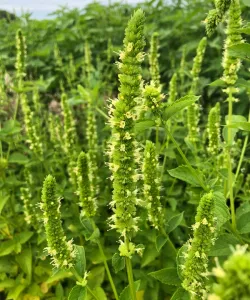
Yellow Giant Hyssop is another native perennial that brings vibrant beauty and pollinator activity to Massachusetts gardens. Reaching 3 to 5 feet tall and featuring striking yellow flower spikes and aromatic foliage, this plant stands out in both aesthetics and functionality. It's a magnet for bees, butterflies, and hummingbirds, enhancing biodiversity and promoting a healthy ecosystem. Yellow Giant Hyssop prefers sunny areas with well drained soil.
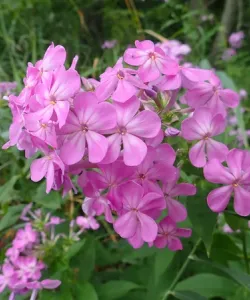
Garden Phlox (Phlox paniculata) is a delightful perennial known for its stunning clusters of fragrant, colorful flowers. These flowers come in a variety of shades, including pink, purple, white, and red, adding vibrant hues to your garden. Garden Phlox is a favorite among pollinators like butterflies and bees, making it another great choice for supporting local wildlife. This versatile plant thrives in full sun to partial shade and prefers well-draining soil. With regular watering and proper care, Garden Phlox can reach heights of 2 to 4 feet, making it a wonderful addition to borders, beds, or as a focal point in your garden.
Native Plants for Partial Shade
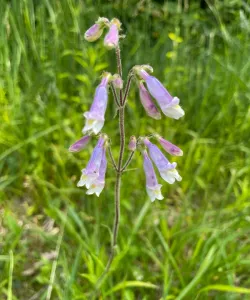
Hairy Beardtongue gets its name in part from the fine hairs on their purple flowers. A resilient and adaptable addition to almost any garden, this plant enjoys full to partial sun and well-drained soils. Although Hairy Beardtongue grows only about 1 to 2 feet tall, it will attract all manner of pollinators - occasionally even hummingbirds - during its spring bloom.
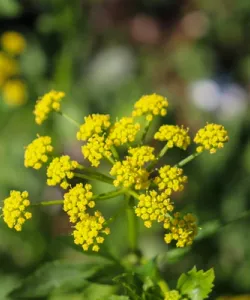
Golden Alexanders are a beautiful choice for any Massachusetts garden with moist soils and partial to full sun. This hardy plant can even tolerate heavy clay soils. Another polite, very low maintenance and low growing plant (1' - 2' tall), Golden Alexanders will bring a wash of yellow flowers during their mid to late spring bloom.
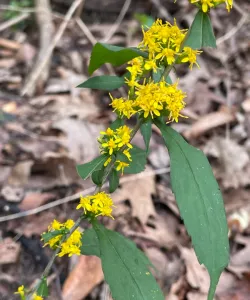
Blue-stemmed Goldenrod is characterized by its bright yellow inflorescences, which bloom in late summer and early fall, providing a vital nectar source for a range of pollinators, including bees and butterflies. Reaching heights of up to 3 feet, Blue-stemmed Goldenrod thrives in environments with partial to full shade and well-drained soils. The distinctive blue stems add an a unique aesthetic aspect.
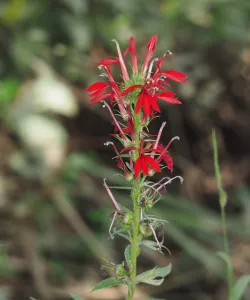
A captivating flowering plant renowned for its striking scarlet-red blooms and its crucial role in supporting pollinators, particularly hummingbirds. This perennial wildflower thrives in wetland habitats and along the edges of streams, where its vibrant flowers stand out against lush dark green foliage. Growing to heights of 2 to 4 feet, Cardinal Flower brings a vertical accent to gardens and natural settings. Its unique color and shape make it a standout choice for attracting attention and biodiversity. This plant's preference for higher soil moisture and partial to full sun aligns well with various wetland restoration projects and rain gardens.
Native Plants for Shade
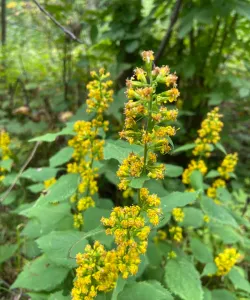
All goldenrods (plants with a scientific name that includes Solidago) are among the most important native plants in North America because they tend to bloom in late summer and their flowers support so many species of beneficial insects. Zigzag Goldenrod is one of just a few goldenrods that enjoys life with little sun. A great choice for shade gardens with dry to mesic soil, this plant will bring a wash of yellow to the understory.
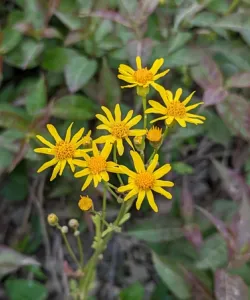
With a height ranging from 1 to 2 feet, Golden Ragwort is a clump forming perennial that grows in compact mounds of foliage that serve as excellent ground cover, especially in shaded or partially shaded areas. This perennial plant features clusters of golden-yellow flowers that bloom in early spring, creating a vibrant display that attracts pollinators like bees and butterflies. Its adaptability to different soil types, including moist and well-draining soils, makes it a versatile choice for various gardening conditions.
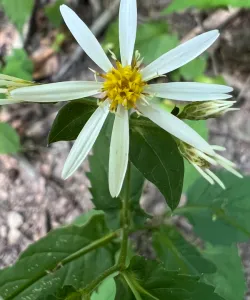
White Wood Aster is a delicate yet resilient native wildflower that graces woodlands, gardens, and natural habitats with its understated beauty. This perennial plant features dainty, daisy-like white flowers that bloom in late summer to early fall, providing a late-season burst of color when many other plants have finished flowering. Reaching a height of about 1 to 3 feet, White Wood Aster is known for its slender stems and heart-shaped leaves, which create an attractive backdrop for its starry blooms.
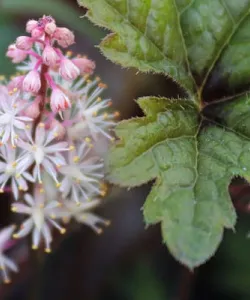
Foamflower is a charming native perennial that adds a touch of elegance to woodland gardens and other sheltered areas. This plant derives its name from its distinctive heart-shaped leaves and delicate foam-like clusters of white flowers that emerge in spring and early summer. The foliage forms attractive mounds that create a lush ground cover, while the flower spikes reach up to 12 inches in height, adding vertical interest to your garden.
What You Can Do Today

If you garden in Massachusetts and want to see more native plants in your yard, you don’t have to start from scratch. My Home Park offers pre‑designed New England native garden collections that group compatible species together, so you can drop in a full planting that looks intentional and supports wildlife without having to design every square foot yourself.
If you’d rather build things one step at a time, you can also choose from individual native species in 3‑packs, 6‑packs, and full trays. That makes it easy to test new plants, fill in around existing beds, or gradually convert tough spots, like dry shade or hot, sunny strips, using species that are actually suited to them.
You can also always visit our Learning Center when you want practical help with planning, planting, watering, and long‑term care. Between the plants and the how‑to support, you’ll have everything you need to take a clear next step in your New England garden.
Share this article