Native Shrubs and Trees
American Black Elderberry
Sambucus canadensis
$49.99
Out of Stock
Currently unavailable — check back soon.
Select Quantity
All shrubs and trees ship as 1 gallon pots.
1 Plant
Out of stock
2 Plants
Out of stock
4 Plants
Out of stock
Verify Availability
Show Native Range
Enter your ZIP code to verify if these plants are available in your area.
Quantity
Sourced ecologically
Delivered to Your Door
Easy Planting
About this Plant
American Black Elderberry is a fast-growing, wildlife-friendly native shrub prized for its ornamental beauty and edible bounty. In early summer, it bears broad clusters of tiny, fragrant white flowers that are abuzz with bees and other pollinators. These are followed in late summer by rich, dark purple berries—eagerly devoured by birds and prized by people for making syrups, jams, and wines.
Reaching 5–12 feet tall, this adaptable shrub is ideal for naturalized borders, rain gardens, or informal hedges. It thrives in moist soils and tolerates a bit of shade, though it fruits best in full sun. Elderberries are also valued for their high vitamin C content and traditional use in immune-boosting remedies.
Why choose American Black Elderberry?
- Dual-purpose beauty and utility—ornamental flowers and edible berries.
- Supports pollinators and birds with nectar and late-summer fruit.
- Perfect for hedgerows, naturalized areas, and food gardens.
-
Fast-growing and great for filling space or stabilizing soil.
Maintenance Tips
- Prune in late winter or early spring to maintain shape and promote fruiting.
- Cut back older stems every few years to encourage vigorous new growth.
- Allow some suckering for a fuller shrub, or remove suckers to maintain a compact form.
- Water regularly during establishment, especially in dry periods.
- Netting may be needed if you want to harvest berries before the birds do!
Maintenance Tips
- Requires regular watering, especially in dry conditions, to support its rapid growth.
- Prune in late winter to early spring to remove dead or damaged branches and to shape the plant.
- Prefers fertile, humus-rich soil but is adaptable to a range of soil conditions.
- Apply a layer of organic mulch to conserve moisture and suppress weeds.
- Monitor for pests like aphids and diseases such as powdery mildew, managing as necessary.
- Flowers are self-fertile so even a single plant will produce fruit.
- The plant's edible berries can usually be harvested for consumption sometime between mid-August and mid-September.
Details
Soil Types
-
Soil Moisture
-
Sun Exposure
-
Hardiness Zone
USDA 3–9
Plant Type
Shrub
Mature Height
-
Mature Width
-
Bloom Color
White
Bloom Time
-
Root Type
Rhizome
American Black Elderberry
$49.99
Ecological Benefits
Attracts Pollinators
Provides nectar and pollen for bees and other pollinators.
Birds
Seeds or berries provide food for birds.
Butterfly Host
Supports butterfly caterpillars as a host plant.
Soil Stabilizing
Deep roots help prevent erosion and stabilize soil.
Attracts Butterflies
A nectar source that draws butterflies throughout the season.
Yard Friendly
A well-behaved growth habit that won't take over your yard.
Pet Safe
Non-toxic to cats and dogs.
What Folks Are Saying
“It's like following a recipe. Choosing from multiple designs is fun.” - Kari
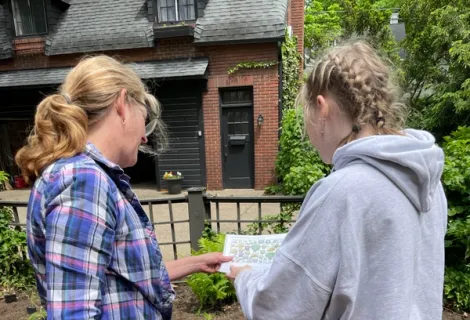
“The process from the website to getting the plants, could not have been easier or more seamless.” - Justin

“I can't believe that we are the house with this beautiful garden.” - Howard
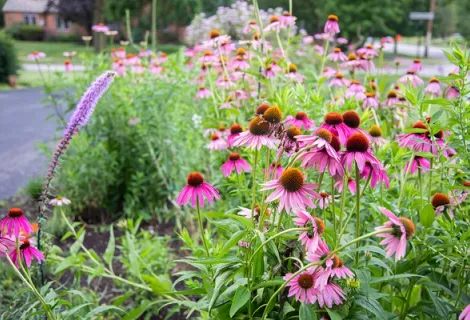
“I've never planted anything in my life. And this was actually quite fun.” - Steve
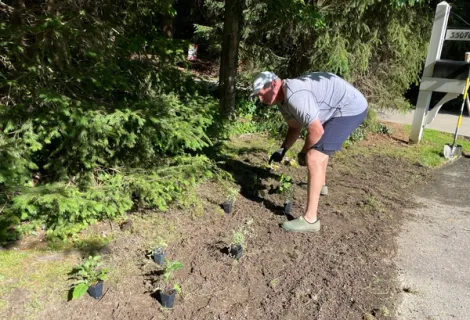
Shop Additional Species

Allegheny Serviceberry
Amelanchier laevis
From $42.50/plant

American Beautyberry
Callicarpa americana
From $42.50/plant

American Persimmon
Diospyros virginiana
From $49.99/plant

American Witch-Hazel
Hamamelis virginiana
From $42.50/plant

Arrowwood Viburnum
Viburnum dentatum
From $42.50/plant

Bearberry
Arctostaphylos uva-ursi
From $42.50/plant

Black Chokeberry
Aronia melanocarpa
From $42.50/plant

Blackhaw Viburnum
Viburnum prunifolium
From $42.50/plant

Buttonbush
Cephalanthus occidentalis
From $42.50/plant

Common Pawpaw
Asimina triloba
From $42.50/plant

Coral Honeysuckle
Lonicera sempervirens
From $42.50/plant

Eastern Redbud
Cercis canadensis
From $44.99/plant

Flowering Dogwood
Cornus florida
From $42.50/plant

Highbush Blueberry
Vaccinium corymbosum
From $42.50/plant

Lowbush Blueberry
Vaccinium angustifolium
From $42.50/plant

Meadowsweet
Spiraea alba
From $42.50/plant

Northern Bayberry
Morella pensylvanica
From $44.99/plant

Northern Bush Honeysuckle
Diervilla lonicera
From $49.99/plant

Northern Spicebush
Lindera benzoin
From $49.99/plant

Oakleaf Hydrangea
Hydrangea quercifolia
From $42.50/plant

Red Chokeberry
Aronia arbutifolia
From $42.50/plant

Red-Osier Dogwood
Cornus sericea
From $42.50/plant

River Birch
Betula nigra
From $42.50/plant

Silky Dogwood
Cornus amomum
From $42.50/plant

Steeplebush
Spirea tomentosa
From $42.50/plant

Summersweet
Clethra alnifolia
From $42.50/plant

Sweet Azalea
Rhododendron arborescens
From $42.50/plant

Sweetbay Magnolia
Magnolia virginiana
From $49.99/plant

Sweetfern
Comptonia peregrina
From $42.50/plant

Virginia Sweetspire
Itea virginica
From $42.50/plant

White Fringetree
Chionanthus virginicus
From $42.50/plant