Plant Care, Maintenance & Seasonal Guides for Native Gardens

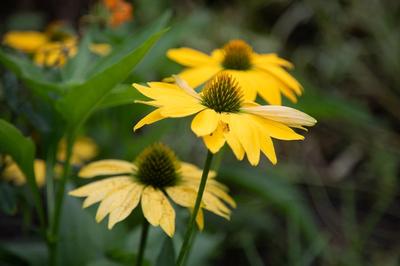
Native gardens follow a seasonal rhythm that’s simpler and more forgiving than traditional ornamental gardening, but a few well‑timed tasks make a big difference. This guide shows you what to focus on in year one vs later years, and what to do (and skip) in each season so your plants, soil, and wildlife habitat stay healthy with less work.
How native plant care is different
Native plant care usually means:
- Less fertilizer, less watering once established, and fewer drastic cutbacks than conventional beds.
- More emphasis on timing weeding and gentle editing.
- Leaving stems, leaves, and seedheads to support insects and birds, and “guiding” the community rather than keeping it pristine.
Because native plants are so well-adapted to regional soils and conditions like weather and seasonality, native gardens usually need less fertilizer, less watering once established, and fewer drastic cutbacks than conventional beds. That said, they still benefit from well‑timed weeding and thoughtful editing. Leaving more stems, leaves, and seedheads in place supports insects and birds, so “maintenance” becomes about guiding the community, not keeping everything perfectly tidy.
Year one vs. long‑term maintenance
Think of care in two phases:
- Years 1–2: Consistent watering in dry spells, aggressive weeding, and patience while plants root and fill in.
- Later years: Lighter seasonal editing with spot weeding, thinning/moving plants, and occasional cutbacks to keep things vigorous.
The first one to two years of a native plant garden bed should focus on helping plants root in: consistent watering during dry spells, aggressive weeding of invaders, and patience while small plants fill out. In later years, care shifts to lighter seasonal editing - spot weeding, thinning or moving plants, and occasional cutbacks - so the planting stays vigorous without starting over. If you're in year one, check out Getting Started with Native Gardening: A First-Year Roadmap and What to Expect in Year 1, 2, and 3 of a Native Garden for more as well.
Spring: wake‑up and light cleanup
In spring, focus on:
- Cutting back last year’s stems in stages so overwintering insects can emerge.
- Weeding early flushes of annual weeds before they seed.
- Making small decisions about which self‑sown seedlings to keep or move.
Spring is often the main time to cut back last year’s stems in stages, leaving some material until temperatures are reliably warm so overwintering insects can emerge. Trimming unbroken hollow or pithy stems to leave about 8-20" will also allow solitary bees and waps to peacefully set up shop in your garden. It is also prime time for weeding early flushes of annual weeds and making small adjustments to where self‑sown seedlings are allowed to stay. Read our Spring Cleanup for Native Gardens guide to learn more.
Summer: watering, weeding, and observing
In summer, prioritize:
- Deep, occasional watering for first‑year plantings during drought, with little or none for established natives.
- Light, regular weeding so it never piles up.
- Observing which plants thrive, flop, or dominate to guide future edits.
In summer, most established natives need little or no supplemental water, but first‑year plantings may still require deep, occasional watering during drought. In warmer regions like the Southwest, summer is a period of true dormancy and plants should be left alone to hide out through the heat. Light, regular weeding and observation to see which plants thrive, flop, or dominate will help guide future edits and keeps maintenance from becoming overwhelming. Dive into our Summer Watering and Drought Care guide for when things really heat up.
Fall: planting, editing, and leaving habitat
In fall, it’s often best to:
- Plant or transplant many natives while soils are warm and moisture is higher.
- Do modest editing such as moving, dividing, and cutting back only what truly needs it.
- Leave most stems and leaf litter as winter habitat.
Fall is an excellent time to plant many natives, especially in regions where soils stay workable, because cooler weather and fall rains support root growth and both weed and pest pressure tends to ease off significantly. It is also when gardeners can do modest editing, moving or dividing plants and cutting back only what truly needs it, while leaving most stems and leaf litter to stand as winter habitat. If you are planting in fall, just be sure to get things in the ground at least 6 weeks before the first freezing temps to ensure successful establishment. Figure out more approaches with our Fall Planting and End‑of‑Season Prep and Leaving the Leaves: Winter Habitat guides.
Winter: protect, plan, and mostly let be
In winter, focus on:
- Letting stems, seedheads, and leaf layers stand as food and shelter.
- Protecting only the most vulnerable plants as needed.
- Watching for heaving or browsing and using the quiet time to plan next year’s changes (and, in some regions, planting perennials in winter).
In northern climes, winter is largely a “hands‑off” season in native beds, with stems, seedheads, and leaf layers providing food and shelter for wildlife. The main tasks are protecting vulnerable plants where necessary, monitoring for issues like heaving or browsing, and using quieter months to plan next year’s adjustments or new plantings. In other regions, Winter is actually the best time to get native perennials planted.
How My Home Park supports year‑round care
My Home Park helps by:
- Providing designs and plant info that match your site and maintenance style.
- Spelling out what to expect season by season so you can time watering, cutting back, and editing with less guesswork.
Caring for a native garden is easier when the design already matches your site and includes plants suited to your conditions and maintenance style. My Home Park’s pre-designed gardens, plant information, and general support can help you know what to expect season by season, reducing guesswork about watering, cutting back, and editing so you can focus on enjoying the changes throughout the year. Check out our guide on Troubleshooting Common Problems in native gardens or refer to the table below to continue your journey. Have a more specific question? Reach out to us directly via our chat widget or at [email protected] and we’ll be in touch to help.
Get further guidance for whatever season or stage of maintenance you might be in
Use these guides to dive deeper into specific seasons or maintenance tasks:
| Guide | What it helps you do |
|---|---|
Time your cutbacks and cleanup so overwintering insects can emerge and plants get a strong start. | |
Keep new plantings healthy through dry spells without overwatering established natives. | |
Plant at the ideal time and set your beds up for winter habitat and spring success. | |
Understand why standing stems and leaf litter matter and how to leave them gracefully. | |
Know what to pull, what to keep, and how to stay ahead of invaders without constant work. | |
Guide your planting as it matures by dividing, moving, or removing plants with purpose. | |
Get your natives through the critical first two years with the right watering approach. | |
Diagnose and respond to pests, disease, and plants that are struggling or in the wrong spot. | |
Keep your soil healthy without fertilizers or amendments your natives do not need. |
Share this article