Deer & Wildlife Management for Native Gardens

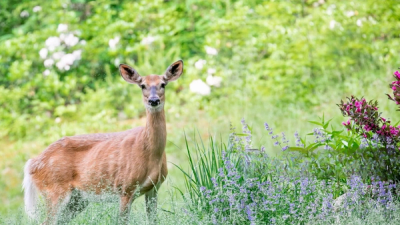
Deer and other wildlife can put real pressure on native gardens, especially as more yards shift from lawn to rich, plant‑filled habitat. The goal is not to remove wildlife, but to protect your key plants so the garden can mature, flower, and function as a healthy ecosystem. This guide walks through humane, low‑impact strategies - things like design, plant choice, physical protection, and repellents -that reduce browsing and keep your native beds thriving without harsh chemicals or fortress‑style fencing.
Why deer pressure feels so high now
Deer pressure feels high today because:
- Deer populations have increased in many regions while natural habitat has decreased.
- Fragmented landscapes push more browsing into neighborhoods and yards.
- Rich native plantings can feel like “buffets” if design doesn’t account for deer behavior.
Across much of North America, deer populations have risen while natural habitat has been fragmented or developed, pushing more browsing into neighborhoods and home landscapes. As lawns convert to richer native plantings, those gardens can feel like “buffets” unless they are planned with deer behavior in mind, which is where this pillar comes in.
Quick‑start deer prevention checklist
To quickly reduce browsing, focus on:
- Group your most vulnerable “favorite” plants closest to the house, paths, or patios where deer are less comfortable lingering.
- Use tougher, less‑palatable native plants on outer edges as a buffer around beds and along obvious deer travel routes. Things like mints or other species with aromatic foliage work well to push off would-be browsers.
- Protect new trees, shrubs, and key perennials with temporary cages or trunk guards for at least the first few seasons.
- Add at least one low, unobtrusive barrier (short fence, mesh, or twine) around high‑value beds where browsing has been worst.
- Layer in a reputable deer repellent and plan to rotate products and reapply after rain or heavy pressure.
- Avoid broad‑spectrum pesticides so natural predators and the wider food web remain intact around your garden.
- Walk your yard weekly to spot fresh damage early and adjust protection before plants are set back too far.
How deer and other wildlife impact native plantings
Browsers affect gardens by:
- Deer eating tender shoots, buds, and flowerheads.
- Rabbits, groundhogs, and other small mammals clipping stems low or digging around roots.
- Occasional nibbling being normal, but repeated heavy damage - especially to young plants - preventing establishment and flowering.
Deer typically browse tender shoots, buds, and flowerheads, while rabbits, groundhogs, and other small mammals may clip stems lower or dig around roots and edges. Some level of nibbling is part of a functioning food web, but repeated or heavy damage on the same plants can prevent establishment, flowering, and seeding, which is when management becomes necessary. This is especially true when handling young plants getting established in their first year, when even a cursory nibble can cause a lot of harm.
Core principles: protect plants, keep habitat
Core principles for wildlife‑safe deer management:
- Protect key plants so the garden can mature and function as habitat.
- Use humane, non‑lethal strategies and avoid broad pesticides.
- Stack design, plant choice, physical protection, and deterrents instead of chasing a single “silver bullet.”
The goal is not to eliminate wildlife, but to protect key plants so the garden and its habitat value can mature. That means favoring humane, non‑lethal approaches, avoiding broad pesticides, and stacking design, plant choice, and low‑impact deterrents rather than relying on a single “silver bullet.”
Smart plant choices for high‑pressure areas
In high‑pressure areas, aim to:
- Use tougher, less‑palatable natives as anchors in exposed spots.
- Place more vulnerable “candy” plants where protection is easier.
- Mix textures, fragrances, and species deer tend to avoid, knowing nothing is truly “browse‑proof.”
Plant selection is one of the most powerful tools: tougher, less‑palatable natives can anchor exposed spots, while more vulnerable “candy” plants go where they are easier to protect. Over time, mixing textures, fragrances, and species that deer tend to avoid can significantly reduce browsing on the overall planting, especially when supported by other tactics. It is important to remember that no matter how deer resistant a plant may be in general, there are no truly “browse-proof” plants, so if your yard is under a lot of browsing pressure, more steps will be needed to prevent too much damage. We can help you choose plants deer don’t love if you’d like some help to get started.
Designing beds to reduce browsing
To design beds that reduce browsing:
- Place favorite plants closer to the house, paths, or enclosed areas.
- Use buffer plants (e.g., mints, sedges) at edges and along deer travel routes.
- Add structure (dense groupings, shrubs) and maintain some clear sightlines to make lingering less comfortable for deer.
Layout matters: placing favorites closer to the house, along paths, or inside enclosed areas naturally lowers risk, while using “buffer” plants like mints and sedges at edges can absorb some browsing. Adding structures like dense groupings, shrubs, and clear sightlines can make beds less inviting to deer that prefer quick escape routes and easy access. For a deeper dive on how to design your gardens so deer have a harder time browsing absolutely everything, check out Designing Gardens to Reduce Deer Pressure.
Physical protection that blends into the garden
For physical protection that fits the garden:
- Use temporary cages, low fencing, and trunk guards around young or high‑value plants.
- Reduce or remove protection as plants become taller, denser, and better rooted.
- Combine with other tactics so cages can be as minimal and temporary as possible.
Temporary cages, low fencing, and individual trunk guards can be discreetly integrated around young plants, shrubs, and trees during their vulnerable establishment period. Well established plants can generally handle being occasionally browsed, so as roots deepen and plants gain height or density, protection can often be reduced or removed, especially where other strategies are in place. Regardless, check out Protecting New Plantings from Deer and Rabbits to give your newer and younger plants the very best chance at thriving longer term.
Repellents, scent cues, and what to expect
With repellents, expect that:
- Scent and taste products help most when used with other strategies.
- You’ll need to rotate products and reapply after rain or heavy pressure.
- The goal is reducing, not completely eliminating, browsing.
Scent‑ and taste‑based browsing repellents can help, but they work best as part of a layered approach, not as the only line of defense. Gardeners should expect to rotate products and reapply after weather or heavy pressure, and still plan around the idea of “reducing” rather than completely preventing browsing. There are other Humane Deer Deterrents and Exclusion Options as well, so read on in that guide or reach out today to learn more.
Coexisting with wildlife beyond deer
Many deer‑aware tactics also help with:
- Rabbits, groundhogs, and other small browsers, via smart plant placement and protection.
- Additional steps (blocking burrows, securing specific beds) where behavior differs.
- Maintaining overall habitat value while targeting problem areas.
Many tactics that work for deer like smart plant placement and physical protection also help with rabbits, groundhogs, and other browsing mammals. Where behavior differs, additional steps such as blocking burrow access or securing specific beds can be added without stripping the yard of its overall habitat value. Check out our guide Rabbits, Groundhogs, and Other Small Mammals in Native Beds if - like My Home Park co-founder Wyatt - it’s less deer than these other, smaller browsers that are giving your yard the most trouble.
How My Home Park helps you protect your plantings
My Home Park can help you:
- Build deer‑aware designs from day one, pairing tougher natives with protectable layouts.
- Get planting maps that respect local wildlife while giving key plants the best chance to establish.
My Home Park designs can bake deer‑aware choices into your plan from day one, pairing natives that are better suited to high‑pressure conditions with layouts that are easier to protect. That way, you are not just buying plants; you are getting an intentional planting map that respects local wildlife while giving your garden the best chance to establish and thrive.
Deer & Wildlife Management projects
| Project Idea | What It Helps You Do |
|---|---|
Choose tougher native plants and smart combinations that hold up better under browsing while still supporting wildlife. | |
Lay out beds, paths, and plant groupings so deer are less comfortable lingering and your most vulnerable plants are better protected. | |
Give young trees, shrubs, and perennials the cages, guards, and supports they need to survive their first few seasons. | |
Add low‑impact barriers, short fencing, and repellents as part of a layered, non‑lethal protection strategy. | |
Recognize their damage patterns and use garden‑scale tactics to limit harm while keeping your yard wildlife‑friendly. |
Share this article