Native Plants 101: A Beginner’s Guide

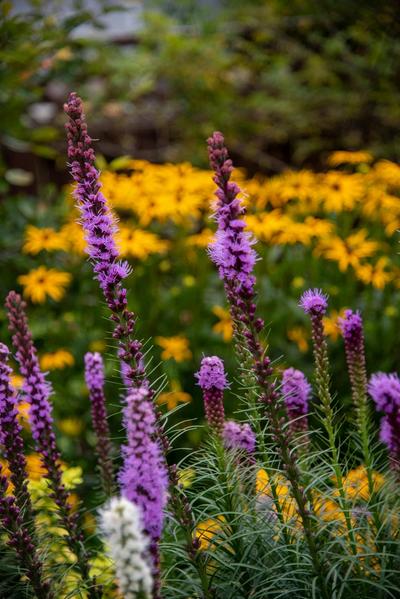
Many of us hear terms like “native,” “pollinator-friendly,” and “low-maintenance,” yet still feel unsure which plants actually belong in our yards and where to start with a sustainable garden. Native Plants 101 is here to change that, giving you a clear, practical path to a garden that’s beautiful, resilient, and genuinely helpful to bees, butterflies, and birds - not just trendy on a plant tag. At My Home Park, our mission is to turn your yard into “your slice of the planet” in a way that’s good for you and the environment. To that end, this guide focuses on simple explanations and real-world steps, backed by deep native plant and design expertise to support you and remove the guesswork in getting started.
Use this guide as a starting map: first, learn what ‘native’ means (Sections 1–2), then review basic design principles (Section 3), and finally follow the step‑by‑step path in Section 4 to start your own project. As you read through this guide, you’ll see links to more detailed topics like how to assess sun and shade in your yard, understand your soil type, and plan your first year with natives. For deeper dives beyond the basics, you can explore Garden Design & Planning, Plant Care, Maintenance & Seasonal Guides, Problem Solving & Plant Issues, and Pollinators & Wildlife among others.
What Are Native Plants? (Definition)
- Native plants: Evolved in your local region and support local wildlife.
- Non‑native plants: Introduced from other regions, may or may not spread.
- Invasive plants: Non‑native plants that spread aggressively and harm ecosystems.
Native plants are plants that have grown naturally in a region for thousands of years, evolving in response to the local climate, soils, insects, birds, and other wildlife. In this way, because they are “from” your area, they tend to fit smoothly into the local ecosystem, providing the right kind of nectar, pollen, seeds, and shelter at the right times of year to support maximum wildlife.
By contrast, non-native plants are species brought in from other parts of the world, sometimes on purpose for landscaping or agriculture, sometimes by accident. Many non-natives stay relatively well-behaved in gardens, but some escape into natural areas and spread aggressively. When a non-native plant spreads in ways that damage local ecosystems, crowd out native species, or harm the economy or human health, it is considered invasive.
You can see the difference in common yards: a regional oak or serviceberry species, for example, is native in many parts of the U.S. and supports hundreds of caterpillar, bird, and insect species, while popular imported ornamentals like burning bush or certain barberries offer minimal wildlife value and can become invasive in nearby woods. Understanding this basic native, non-native, invasive distinction is the first step toward choosing plants that truly belong in your yard and support the life around it. Check out our dedicated guide Native vs. Non-Native vs. Invasive Plants: What’s the Difference? for an even deeper dive.
Native plants matter because they reconnect your yard to the local food web that wildlife depends on. They offer the right nectar, pollen, foliage, and seeds at the right times for native bees, butterflies, moths, birds, and beneficial insects, which in turn support everything from songbirds raising their young to beneficial predators that keep pests in check. When you fill a yard with regionally appropriate natives instead of generic ornamentals, you are effectively rebuilding small pieces of habitat that have been lost to lawns and pavement.
They also make life easier for you as a gardener. Once established in the right spot, many native plants are more resilient in local weather extremes and generally need less watering, fertilizer, and fuss than plants that were never meant for your climate and soil. They bring four-season interest—spring blooms, summer life, fall color and seedheads, winter structure—and create a sense of place that looks like it truly belongs where you live, rather than a copy of a catalog garden from somewhere else.
- Right plant, right place.
- Build plant diversity and layers.
- Avoid harmful practices (like broad‑spectrum pesticides and over‑mulching).
1. Right Plant, Right Place
A native garden works best when it’s built around a few simple principles that stack the odds in your favor and support the life around you. The first is “right plant, right place”: match each plant to the light (see How to Assess Sun and Shade in Your Yard), soil, and moisture you actually have (see Understanding Your Soil Type for Native Gardening), rather than trying to force a “full-sun, dry” meadow into a shady, soggy corner. Sunny, well-drained spots are perfect for many prairie flowers and grasses, while part-shade with richer soil might be better for woodland natives; paying attention to these basics up front means healthier plants and far less frustration over time.
2. Build plant diversity and layers.
The second principle is diversity. Think in layers - groundcovers, perennials, grasses, shrubs, and, where space allows, small trees - so there is food and shelter at multiple heights and times of year. Mixing different shapes and bloom times (spring, summer, fall) ensures that something is always in flower or fruit, giving pollinators and birds a continuous buffet instead of a brief feast followed by a long famine.
3. Avoid harmful practices (like broad‑spectrum pesticides and over‑mulching).
Finally, aim to avoid practices that quietly undercut all that good work. Broad-spectrum pesticides can harm or kill the very pollinators and beneficial insects you are trying to support, even when used “just in case.” Constantly laying down thick, bare mulch or keeping soil overly wet can make it harder for native groundcovers and seedlings to spread and can invite disease. By choosing the right plants for the site, embracing diversity, and dialing back on chemicals and over-watering, you allow your native garden to function more like a healthy ecosystem and less like a high-maintenance outdoor project.
To start a native garden, most homeowners will:
- Assess sun, shade, soil, and existing plants.
- Set clear goals for the space.
- Remove lawn or problem plants in the chosen area.
- Choose a small starter palette or kit.
- Plant correctly and water deeply.
- Focus on first‑year care and realistic expectations.
Step 1: Assess your space
Before buying any plants, take a slow lap around your yard. Notice how much sun different spots get (see How to Assess Sun and Shade in Your Yard), whether the soil tends to be dry or soggy (see Understanding Your Soil Type for Native Gardening), and what is already growing there—lawn, weeds, shrubs, or even existing natives. Also, if any apply to your neighborhood, check HOA or local rules about front yard plantings so you know your constraints up front.
Step 2: Set your goals
Next, decide what you want this native garden to do for you. Are you dreaming of a buzzing pollinator patch by the patio, a more natural look along the front walk, extra privacy, or a kid‑ and pet‑friendly space that still helps wildlife? Clear goals will guide your plant choices and layout so the garden works for both you and the ecosystem. Living in an HOA or have a small yard? Check out Choosing Native Plants for Small Yards, HOA Rules, and Containers. For predesigned layouts by yard type, you can browse our Garden Collections, or, if you’d like a done‑for‑you plan that absolutely fits your yard, explore our custom garden design service.
Step 3: Remove problem plants and prepare the site
With a spot and purpose in mind, start clearing out what doesn’t belong. That can mean removing lawn, tackling invasive shrubs or vines, and pulling persistent weeds so new natives don’t have to fight for space from day one. Aim for a clean, weed‑reduced planting area with defined edges; good preparation now pays off in far less maintenance later.If your planting area is full of tough lawn or invasive weeds, see Weeds vs. Wildflowers: Keeping Native Gardens from Getting Overrun for strategies before you plant.
Step 4: Choose a small starter palette or pre‑designed kit
If you are new to natives, starting small is often smarter than redoing your entire property at once. You can select a modest mix of plants that match your sun and soil or simplify things further by using a pre‑designed native garden kit that balances heights, colors, and bloom times for your region. This approach lets you learn as you go while still ending up with a cohesive planting instead of a random assortment of pots. If you enjoy tinkering, you can also build your own mix from our individual plant species or build‑your‑own kit options.
Step 5: Planting‑day basics
On planting day, follow a few core rules: dig holes about as deep as the pot and wider on the sides, gently loosen circling roots, and space plants based on their mature size or a provided planting map, not how small they look now. After planting, water deeply to settle the soil around the roots and add a light layer of mulch around (but not touching) the stems to help retain moisture and suppress weeds.
Step 6: First‑year care and expectations
The first year is about roots, not instant perfection or performance. Plan on regular watering during dry spells, some routine weeding while plants fill in, and a garden that may look a bit patchy as young natives put most of their energy underground. By the second and third growing seasons, those deeper roots will start to pay off with fuller growth, more blooms, fewer weeds, and a yard that feels increasingly alive. For a more detailed first‑year checklist, see Getting Started with Native Gardening: A First‑Year Roadmap and our What to Expect in Year 1, 2, and 3 of a Native Garden.
Choosing Plants for Your Region
Choosing plants that are native to your region is one of the most important decisions you can make for both garden success and wildlife. Plants that evolved in your local climate, soils, and seasons sync up with the needs of nearby birds, pollinators, and other wildlife, and are more likely to thrive without extra water, fertilizer, or fuss. A plant that is “native somewhere in North America” but not to your state or ecoregion may offer far less value to local insects and can struggle - or behave unpredictably - under your specific conditions.
That is why this guide, and this site more generally, focuses on regionally native choices rather than generic “pollinator-friendly” mixes. To make things easier, My Home Park organizes plants and garden kits by state and condition, with collections tailored to your region so you can pick garden packs or individual species that are ecologically appropriate right out of the box. As you continue to explore Native Plants 101, you will see links into other parts of our Resource Center and various native garden and plant collections, which should help you get going wherever you live and ensure that your yard feels beautiful and like it truly belongs to your part of the world.
Common Myths and Mistakes
There are a few persistent myths about native gardens that can quietly sabotage good intentions.
- Myth 1 - “Native means zero maintenance; you can plant anything labeled native and then walk away forever.” Reality - Even well-chosen natives need thoughtful watering, weeding, and monitoring during the first year or two while they establish.
- Myth 2 - “Native gardens have to look messy or unkempt.” Reality - Good design, clear edges, and intentional layering can make a native planting look as polished as any traditional landscape.
- Myth 3 - “Any bag of wildflower seed mix is automatically good for pollinators and the environment.” Reality - Many seed mixes contain non-native or even invasive species that do little for local wildlife.
Alongside those myths, there are some very common, very fixable mistakes.
- Mistake 1 - Wrong Plant, Wrong Place - Planting the right species in the wrong site conditions, like full-sun prairie flowers in deep shade, for example, leads to struggling plants and disappointment that people often blame on “poorly behaved natives” rather than the mismatch in planting conditions.
- Mistake 2 - Bad Spacing - Starting with too few plants, or spacing them based on how they look in the pot instead of their mature size, can leave big gaps that invite weeds and make the garden feel underwhelming.
- Mistake 3 - Quitting Early (or at all) - Perhaps the most costly mistake is giving up in year one, when many natives are quietly putting energy into roots; the garden may look sparse or uneven at first, but with patient care through those early seasons, it typically fills in and begins to deliver the low-maintenance beauty and ecological value that drew you to native plants in the first place.
If these myths and mistakes sound familiar, you may find it helpful to read Common Beginner Mistakes with Native Gardens and Why Native Plants Fail in the First 3 Years before you plant.
Native gardening gets much simpler when you don’t have to solve plant lists, design, and sourcing all on your own. At My Home Park, our core model is built around curated native garden kits and custom designs that are tailored to your region, your light conditions (sun, part shade, shade), and your goals—whether that is a pollinator haven by the patio, a front‑yard makeover with strong curb appeal, or a family‑friendly space that still pulls its ecological weight. In short, My Home Park helps you skip guesswork by providing regionally appropriate plant lists, ready‑made designs, and step‑by‑step guidance for installation and care.
Whether you are a first‑time native gardener or expanding your existing native plantings, you can lean on My Home Park’s native plant and design expertise through our educational resources, how‑to content, and direct support, so you feel confident, supported, and far more likely to enjoy the process as your garden comes to life.
FAQ: Native Plants 101
1. What exactly is a native plant?
A native plant is a species that has evolved in a particular region over thousands of years, alongside local climate, soils, insects, and wildlife. It “belongs” to that area in an ecological sense, providing the right food and habitat at the right times of year. You can learn more about what actually makes a plant “native” in our Native vs Non-Native vs Invasive Plants Guide.
2. Are native plants really lower maintenance?
Native plants are often lower maintenance over time, but they are not “no maintenance.” They still need thoughtful watering, weeding, and monitoring—especially in the first couple of years while roots establish. Check out Plant Care, Maintenance & Seasonal Guides, Problem Solving & Plant Issues, or Cost and Maintenance of Native vs. Traditional Yards to learn more.
3. How long will it take my native garden to fill in?
Most native gardens take two to three growing seasons to really shine. Year one is mostly about roots and establishment, year two brings more visible growth and bloom, and by year three the space usually feels much fuller and more resilient. For expectations and tips over the years, visit What to Expect in Year 1, 2, and 3 of a Native Garden.
4. Do native gardens have to look messy?
No. While native gardens are more naturalistic than formal bedding schemes, good design, clear edges, paths, and repetition of key plants can make them look intentional and beautiful. If you want design ideas for different yard types, explore Garden Design & Planning and Editing and Thinning Over Time.
5. How do I know which native plants are right for where I live?
The best natives for your yard are those that match both your region and your site conditions (sun, soil, moisture). For help matching plants to site conditions, see Getting Started with Native Gardening and once you have a sense of your yard’s light and soil check out our garden kits and single species options. Not sure where to start or too excited to wait? We can help fast track your build with our custom design service.
6. Will native plants attract more “bugs” or make pest problems worse?
Native plants will attract more insects overall, but many of them are pollinators or beneficial species that support birds and help keep true pests in balance. A healthy native garden tends to rely less on broad pesticides and more on diverse plantings and natural predators. For guidance on balancing wildlife and comfort, see Pollinators & Wildlife and Deer & Wildlife Management.
7. What if I have deer or other browsing wildlife?
Deer and rabbits can be a challenge in many regions, but there are strategies to reduce damage - such as choosing less-preferred plants, using physical barriers, and designing layouts that are less inviting to heavy browsing. Our Deer & Wildlife Management pillar goes deeper into plant choices and tactics tailored to common yard situations.
8. Can I start small, or do I need to convert my whole yard?
Starting small is often the best path: a single border, a front‑yard bed, or a pollinator patch can make a real difference and help you learn what works before expanding. Many gardeners grow their native footprint over time as they gain confidence. For step‑by‑step help, read elsewhere on this page or check out Getting Started with Native Gardening.
9. Are all “wildflower mixes” good for native gardens?
Not necessarily. Many wildflower mixes sold in big-box stores contain non-native or even invasive species that offer limited value to local wildlife and can spread where they are not wanted. It is safer to choose regionally appropriate species or curated kits like those featured on our site.
10. How does My Home Park help me succeed with native plants?
My Home Park offers fantastic native plants either as single species, choose-your-own mixes, curated native garden kits, and even custom garden builds, all organized by region, light, and goals, so you are not guessing at species lists or design from scratch. You also get guidance on site prep, planting, and first-year care to increase your chances of success and enjoyment.
Share this article