Why Native Plants Fail in the First 3 Years (and How to Prevent It)

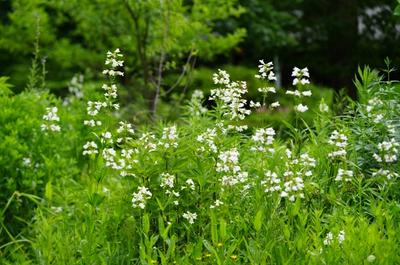
Seeing native plants struggle in the first few years can be discouraging, but it usually just means the setup needs tweaking, not that natives “don’t work” in your yard. This guide walks through the biggest early‑failure causes and gives you clear, practical steps to get far better survival and performance from years 1–3 onward.
Reason 1 – Wrong plant, wrong place
Native doesn’t automatically mean “will grow anywhere.” Each species still has preferences for sun, soil, and moisture. When plants are mismatched, they may hang on for a season or two, then decline or disappear.
Some common mismatches:
- Full‑sun prairie species planted in shade or under trees
- Wetland plants in dry, exposed beds (or vice versa)
- Plants that prefer lean, well‑drained soil put into heavy, soggy clay
How to prevent it:
- Spend a bit of time reading your yard first: light (full sun/part sun/shade), drainage, and soil feel (check our Sun and Soil assessment guides!).
- Choose species that are native to your region and suited to those specific conditions, not just “native somewhere.” Not sure what “native” means? Learn more here.
- If a plant has clearly been unhappy for a full growing season, consider moving it to a more appropriate spot rather than trying to “fix” the site around it.
If you’re seeing multiple plants fail in one area, check out Troubleshooting Shade, Clay, and Other “Difficult” Yard Conditions or reach out to our team at [email protected].
Reason 2 – Planting at the wrong time or in the wrong way
Even tough plants can crash if they’re installed under harsh conditions or planted poorly.
Risky scenarios:
- Planting in extreme heat or very dry soil without a solid watering plan
- Planting in frozen or waterlogged soil
- Setting plants too deep (buried crown) or too shallow (roots exposed)
How to prevent it:
- Favor spring and fall planting in temperate zones and winter planting arid or mediterranean climes - in both cases temperatures are more moderate and soil moisture is more forgiving during these times; avoid peak heat waves and saturated ground.
- At planting, loosen circling roots, set the crown at or just above soil level, and firm soil around the root ball so there are no big air gaps.
- Water thoroughly right after planting, let it soak in, then water again so the full root zone is moistened.
For more detailed step‑by‑step guidance, explore our Native Plants 101 and Garden Design & Planning sections.
Reason 3 – Watering mistakes during establishment
Most early failures are water‑related: too little, too much, or the wrong pattern. Natives are often marketed as “no water,” which leads people to underwater new plants or water them like annuals or lawn.
Typical errors:
- Infrequent, very light watering that never penetrates the root ball.
- Constantly soggy soil from daily or slow drip irrigation on heavy soils.
- Stopping regular watering too soon in the first season, especially in hot weather.
How to prevent it (simple pattern):
- First days: Soak thoroughly after planting (sometimes twice in a row) so the whole root zone is wet.
- First 2–4 weeks: Water deeply several times per week (adjust for rain and soil), letting the top inch or two dry between waterings.
- Rest of first growing season: Shift to deep, less frequent watering—about once or twice a week in dry weather, always checking soil first.
- Year 2+: Gradually reduce regular watering for species that should survive on normal rainfall in your region, watering mainly in extended droughts.
If watering is still your main concern, go to: Watering Native Gardens: Establishment vs. Long‑Term Care.
Reason 4 – Over‑amended, over‑rich soils
A lot of gardeners “improve” soil for natives the way they would for vegetables or roses, using heavy compost and fertilizer, then wonder why plants bolt, flop, or fail. Many natives are adapted to moderate or low‑nutrient soils and perform worse in highly enriched beds.
What goes wrong:
- Plants grow tall and soft, then flop over or snap in wind and rain.
- Extra soil fertility feeds weeds as much as (or more than) natives.
- Constant moisture and richness favor root diseases in species adapted to lean, dry conditions.
How to prevent it:
- Avoid blanket amending entire beds “just in case.” Pick plants that fit your existing soil instead of changing the soil to fit the plant.
- Use organic compost lightly and strategically (e.g., in very degraded spots), not as an automatic thick layer everywhere.
- Skip routine high‑nitrogen or other chemical fertilizers in native beds; rely on mulch and leaf litter to build soil gradually.
Learn more about what native plants can do for your soils over time in Soil Health in Native Gardens: Building Living, Low-Input Yards. If flopping is your main issue, see: Floppy, Leggy, or Overgrown Natives: Design and Care Fixes.
Reason 5 – Sparse planting and poor weed control in early years
Natives are often sold one pot at a time, which leads to wide spacing and lots of bare soil between plants. Bare soil is an open invitation for weeds; young natives then get outcompeted and can fail before they ever fill in.
Early‑stage problems:
- Gaps between plants fill with crabgrass, turf rebound, or invasive weeds.
- The garden looks patchy and underwhelming, tempting people to “start over” or abandon the effort entirely.
How to prevent it:
- Start with good prep: remove or smother existing lawn and aggressive weeds instead of just poking plants into turf.
- Plant more densely than you think you need (or use designs that calculate spacing for you), aiming for near‑full coverage at maturity.
- Use light mulch or temporary groundcovers in year 1–2 to cover exposed soil while natives fill in.
- Commit to regular, targeted weeding in the first couple of seasons; it gets easier as plants knit together.
For a deeper dive, go to: Weeds vs. Wildflowers: Keeping Native Gardens from Getting Overrun.
Reason 6 – Expectations and design, not just plant health
Sometimes plants are alive and technically “fine,” but you still feel like the garden has “failed” because it doesn’t match your mental picture.
Common expectation traps:
- Wanting instant fullness and a “finished” look in year one.
- Expecting no leaf damage, no gaps, and no change over time.
- Planting without a layout (no structure, edges, or repetition), then reading the result as messy.
How to prevent it:
- Use the “year 1 sleep, year 2 creep, year 3 leap” mindset; assume it takes about three growing seasons for many plantings to really click.
- Design for structure as well as species: clear edges, grouped plantings, height layering, and some shrubs or strong grasses as anchors.
- Accept that some plants will move, self‑seed, or fade; editing is normal and healthy, not a sign of failure.
If your main frustration is how the garden looks rather than whether plants survive, see: Fixing Common Design Mistakes in Native Gardens and Editing and Refreshing Mature Native Gardens.
Reason 7 – Overreacting with chemicals or heavy interventions
In the face of leaf damage, weeds, or disease, it’s easy to reach for broad‑spectrum pesticides, fungicides, or aggressive reworking of beds. In native gardens, that can do far more harm than good.
Risks:
- Insecticides killing pollinators and beneficial insects along with perceived pests.
- Fungicides disrupting beneficial soil fungi that help natives thrive.
- Frequent re‑tilling or major soil disturbance resetting the weed seed bank.
How to prevent it:
- Treat some leaf damage as evidence the food web is working, not a failure to protect your garden.
- When there’s a real problem, start with underlying causes (site, water, spacing) and the least‑toxic, most targeted responses.
- Reserve heavy interventions for serious, clearly identified issues, not every cosmetic imperfection.
For more, go to: Pesticide‑Free and Wildlife‑Safe Yard Practices, Pests in Native Gardens: When to Worry and When to Let Nature Work and Seasonal Cleanup and Maintenance for Native Gardens.
Normalizing loss: even experienced native gardeners lose plants
Even experts lose plants and replant, especially when trying new species or pushing boundaries on conditions. Native gardens are dynamic; some plants will thrive, some will simply not love your exact microclimate, and some will be replaced by better‑suited species over time.
If you treat the first few years as a learning period, during which you observe which plants are happiest, adjust watering, and edit the design of your beds, your “failure rate” will drop and your confidence will grow.
For anyone just beginning their native plant journey, check out Getting Started with Native Gardening: A First-Year Roadmap.
We can help prevent early failures
Most early failures trace back to mismatched plants, sparse layouts, and fuzzy guidance on watering and care. My Home Park is here to help reduce those risks by:
- Matching native plants to your region and typical yard conditions.
- Using plant densities and combinations that suppress weeds and reduce flopping over time.
- Providing clear instructions for planting and establishment watering.
Instead of troubleshooting everything from scratch, you start with a plan built around what helps natives succeed in those critical first three years, then use this guide to fine‑tune as you go.
To read on, check out the sister article to this piece: Common Beginner Mistakes with Native Gardens (and How to Avoid Them) and our helpful diagnostic Troubleshooting Common Problems piece.
Share this article