9 Illinois Native Plants For Your Garden

Gardening in Illinois can feel like a bit of a puzzle. Winters bite, summers can be hot and sticky, and many yards swing from baked‑dry to soggy over the course of a season. It’s no wonder a lot of popular landscape plants seem to sulk once they’re in the ground.
Native plants give you a different experience. Instead of fighting the climate, they’re built for it, having evolved in Illinois prairies, woodlands, and wetlands where they’ve handled our weather and soils for thousands of years. When you plant them at home, they bring that toughness with them, along with an immediate boost for bees, butterflies, and birds.
This guide highlights 9 dependable Illinois native plants you can use to anchor beds, borders, and containers. You’ll find options for full‑sun prairie‑style plantings, partially shaded foundations, and tucked‑away shade corners, so you can match each plant to the conditions you actually have instead of an idealized yard.
What do we mean by “Illinois native plants”?
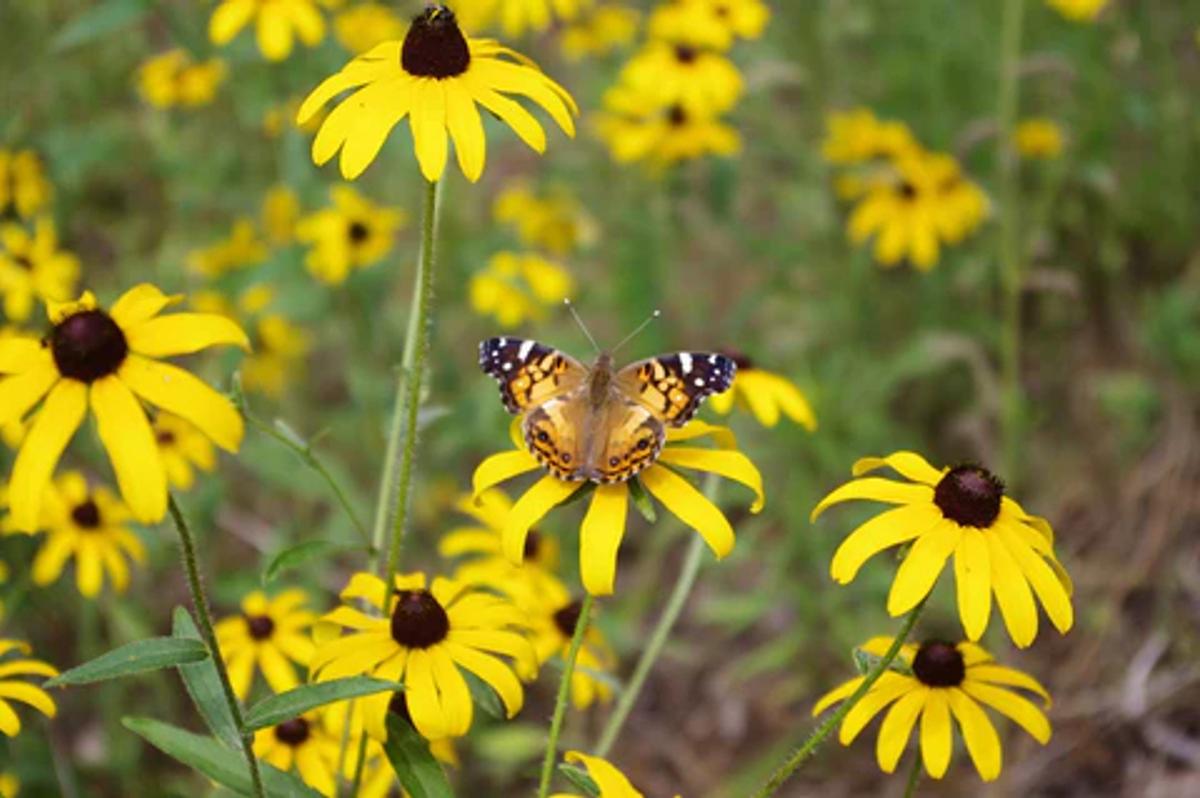
When we talk about Illinois native plants here, we’re talking about species that grew in this region long before lawns and imported ornamentals took over. These are the trees, shrubs, grasses, and wildflowers that once defined “Prairie State” landscapes—plants you would have found in tallgrass prairies, oak savannas, floodplains, and forest understories across Illinois.
Because they evolved in our climate and soils, these plants are naturally tuned to the local conditions many gardeners struggle with: freeze‑thaw cycles, summer heat, periods of drought, and heavy or compacted soils. In practical terms, that means they often need less watering once established, shrug off many common pests and diseases, and still provide far more food and shelter for wildlife than typical non‑native ornamentals.

Why Illinois native plants matter
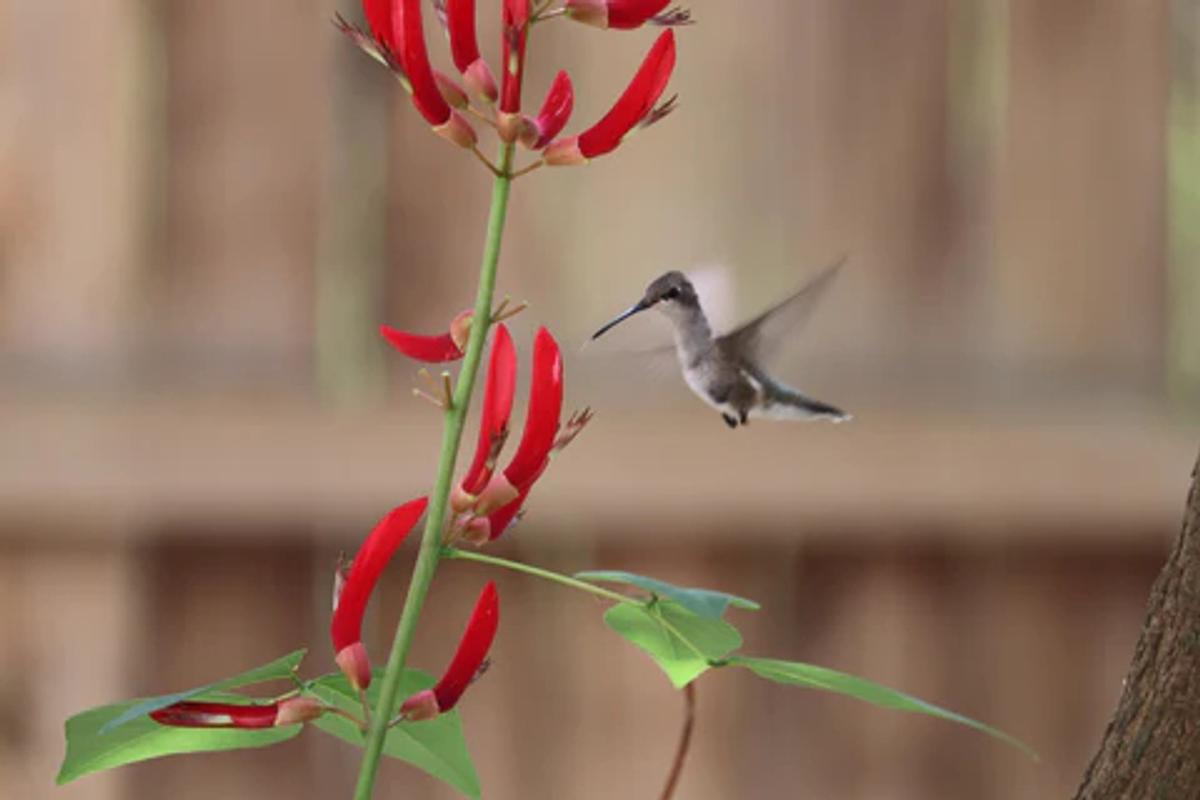
Over the last century, Illinois has lost most of its original prairie and a large portion of its wetlands and woodlands. That loss of habitat has real consequences: fewer places for monarchs to lay eggs, less nectar for native bees, and less cover and food for songbirds and other wildlife. A conventional yard filled with lawn and a few non‑native shrubs doesn’t do much to change that picture.
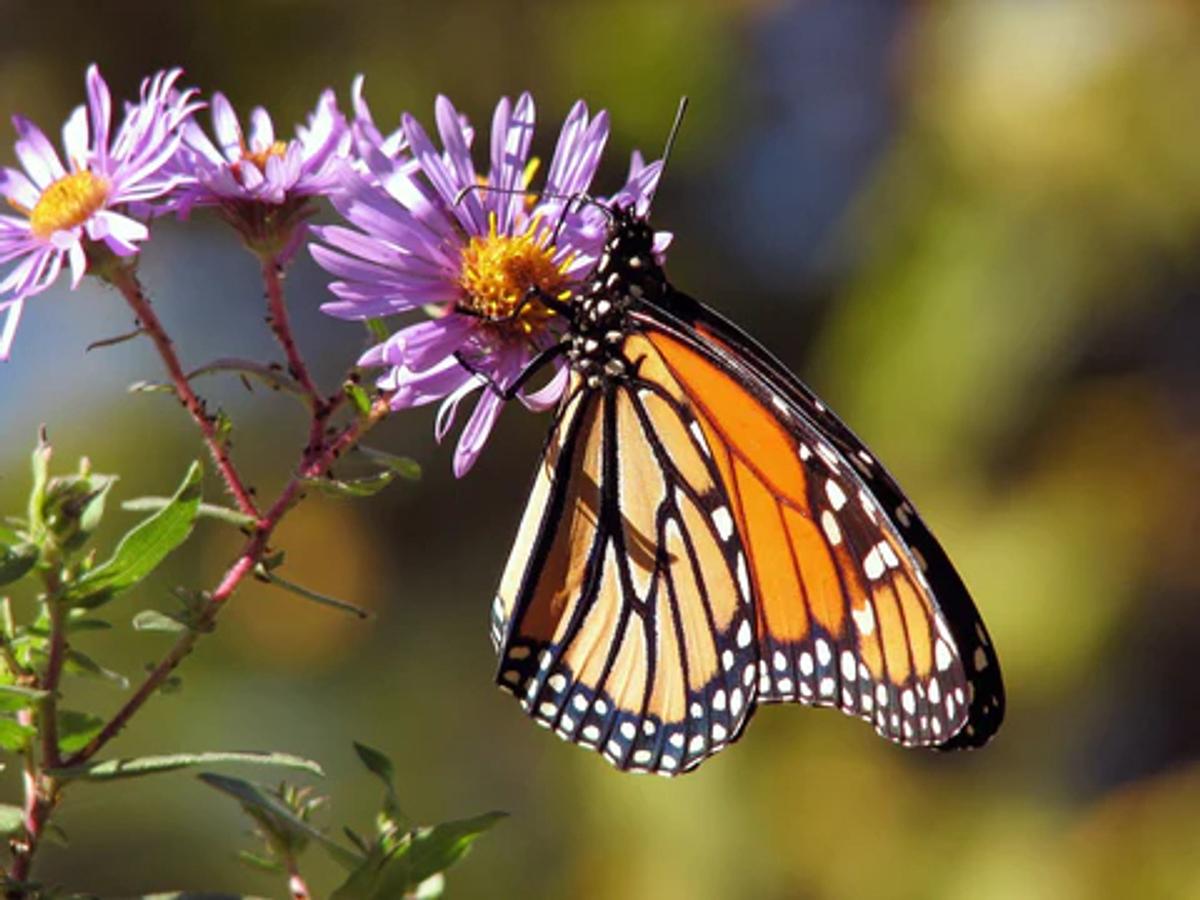
Planting natives starts to repair the damage at a small, manageable scale. Deep‑rooted prairie and woodland plants help rebuild soil structure, soak up and filter stormwater, and keep more carbon in the ground. Their flowers, seeds, and foliage feed an incredible variety of insects and birds that simply can’t use most of the standard “big box store” plants. And because these species are adapted to the Illinois climate, they often prove easier to care for over time than many high‑maintenance imports.
How to get the most from this Illinois native plant list
The 9 plants below are organized by how much sun they prefer. Before you pick anything, spend a day or two noticing where the light actually falls in your yard (what stays bright most of the day, what only catches morning or evening sun, and what rarely sees direct light at all). That simple observation will do more for your success than any amount of plant shopping.
Once you know your conditions, use the full‑sun, part‑sun, and shade groupings as a menu. In each area, try pairing a few taller “backbone” plants with lower, spreading species so you get layers of height and texture. Aim for a mix of bloom times as well - spring, summer, and fall - so there’s always something happening for you and for the pollinators. Even planting three to five of these natives can noticeably change the feel and ecological value of a small space.
Native Plants for Full Sun
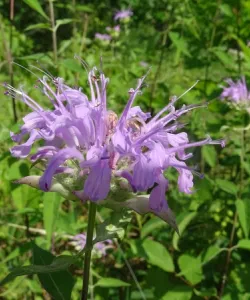
Many of us have likely come across Wild Bergamot (also called Bee Balm), which is one of many herbaceous perennials native to Illinois and many other parts of North America. This is an incredibly adaptable plant that will tolerate most soil conditions (except very wet soil) and will thrive so long as it gets enough sun exposure. Its lovely lavender flowers will attract butterflies, bees, and even hummingbirds to your garden during its mid summer bloom. An easy native plant to maintain, Wild Bergamot grows about 3.5' tall on average and requires only rare division to keep in one place.
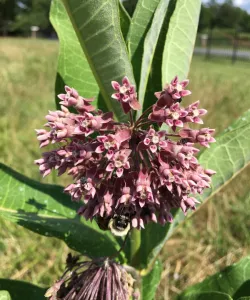
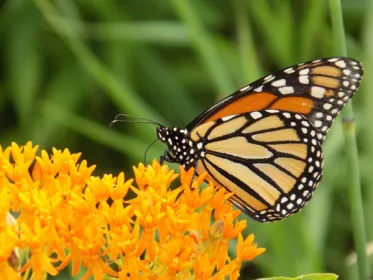
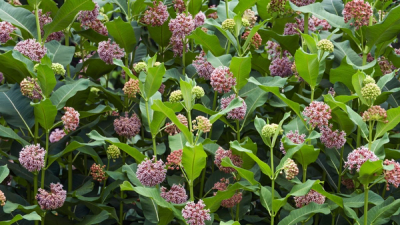
The state flower of Illinois! Common Milkweed is almost everywhere east of the Rockies, making it a ubiquitous and amazing herbaceous perennial. Its pale pink and white flowers add delicate color and soft texture to a home landscape with tons of sun and dry soil. This summer bloomer is a critical host plant for the endangered Monarch Butterfly (Danaus plexippus) - which is happens to be the state butterfly of Illinois.
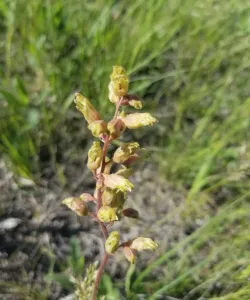
A fascinating and low growing addition to any native garden, Prairie Alumroot will provide great ground cover and intriguing yellow flowers that bloom in late spring. Unlike many other herbaceous perennials, Prairie Alumroot is evergreen, and will maintain its dark green foliage through winter.
Native Plants for Partial Shade
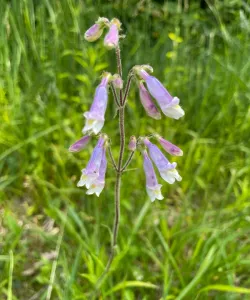
Hairy Beardtongue gets its name in part from the fine hairs on their purple flowers. A resilient and adaptable addition to almost any garden, this plant enjoys full to partial sun and well-drained soils. Although Hairy Beardtongue grows only about 1 to 2 feet tall, it will attract all manner of pollinators - including hummingbirds - during its spring bloom.
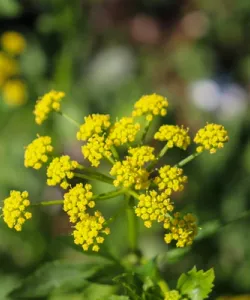
Golden Alexanders are a beautiful choice for any Illinois garden with moist soils and partial to full sun. This hardy plant can even tolerate heavy clay soils. Another polite, very low maintenance and low growing plant (1' - 2' tall), Golden Alexanders bring a wash of yellow flowers during their mid to late spring bloom.
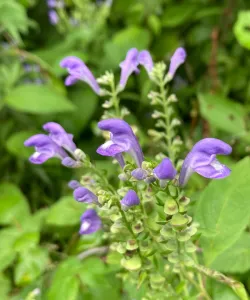
Hoary Skullcap is another adaptable plant that thrives in open woods or meadows with higher soil moisture. A bushy herbaceous perennial that reaches 2' - 3' tall, Hoary Skullcap produces a plume of bluish purple flowers in early summer that will attract heaps of pollinators.
Native Plants for Full Shade
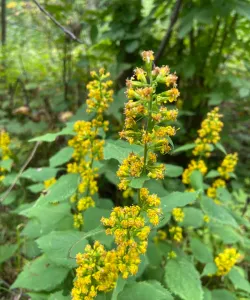
All goldenrods (plants with a scientific name that includes Solidago) are among the most important native plants in North America because they tend to bloom in late summer and their flowers support so many species of beneficial insects. Zigzag Goldenrod is one of just a few goldenrods that enjoys life with little sun. A great choice for a shade garden with dry to mesic soil, this plant will bring a wash of yellow to the understory.
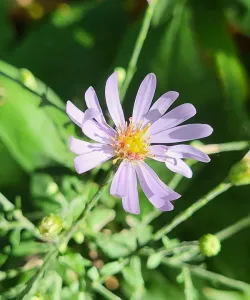
Much like the goldenrods, plants with the scientific name Aster (or Symphyotrichum) tend to be heavy hitters when it comes to wildlife support. Blooming in late summer with pretty lavender flowers, Short's Aster will help bees, butterflies, and other pollinators prepare for winter. Although found throughout the state, Short's Aster occurs more frequently in Northeastern Illinois.
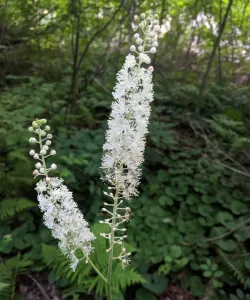
One of the more interesting native Illinois plants, Black Cohosh is a dramatic addition to any full or part shade landscape. Fragrant white flowers adorn very tall spikes, pulling in as many butterflies and bees as they do flies, beetles and other beneficial insect pollinators. Black Cohosh blooms anywhere from late spring to fall, but its rich, dark green foliage will add great texture for the whole season.

Ready to bring Illinois natives home?
If you’re in Illinois and want a head start, My Home Park has curated native garden collections built specifically with Midwestern conditions in mind. Each design combines compatible species to cover the season with color while offering real habitat for bees, butterflies, and birds.
You can explore our Illinois native plants collection to find ready‑made garden layouts that match your sun and soil, or browse our individual native plants on offer if you’re feeling confident about what you'd like to plant in your part of the Prairie State. Or, if you're still just getting started, check out our Learning Center to address any questions you might have about bringing life and beauty back into your yard.
Share this article